

 English
 Deutsch
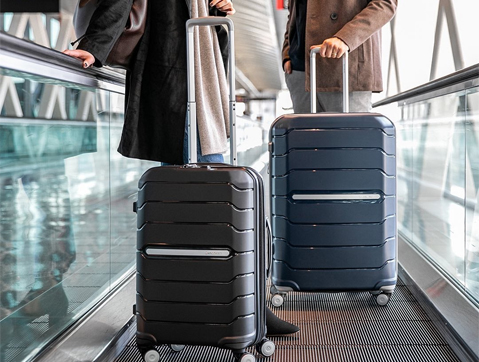
The 360-degree swivel wheel design of suitcases offers the following significant advantages:
1. Fully Flexible Mobility
- Supports horizontal, vertical, and diagonal wheel positioning
- Enables on-the-spot maneuvers in tight spaces, eliminating repeated lifting and pulling
2. Adaptability to Complex Terrain
- Uneven surfaces: Multiple angle adjustments reduce lag
- Smooth surfaces: Precisely control the direction of travel
- Slopes: Automatically adjust the wheel contact angle
3. Ergonomic Optimization
- Single-finger control reduces wrist twisting stress
- Dynamically balanced design reduces waist load during pushing
4. Improved Durability
- Independently suspended wheels disperse impact force
- 360-degree bearing structure reduces single-point wear
- Typically equipped with a highly resilient TPU wheel tread for both quietness and wear resistance
This design is particularly suitable for:
- Business travel (frequent turning required)
- Urban commuting (sidewalks and cobblestone surfaces)
- Transferring between multiple modes of transportation (narrow aisles on subways and airplanes)
Compared to traditional one-way wheeled boxes, this reduces pushing resistance by approximately 40% and mitigates the risk of luggage suddenly tipping over.
What Are the Steps Involved in the Manufacturing Process of Hard Makeup Travel Cases?
The manufacturing process of hard makeup travel cases involves several organized steps that ensure the finished product is practical, durable, and visually appealing. While different factories may adjust certain procedures, the overall workflow follows a structured pattern.
Material Preparation
Hard makeup travel cases are typically made from ABS, polycarbonate, aluminum, or composite boards. Sheets or molded panels of the selected material are inspected for thickness, texture, and color consistency. If the case includes fabric-lined panels or laminated surfaces, these materials are bonded to the exterior or interior layers during this stage. Proper material selection sets the foundation for the case’s rigidity and protective performance.
Forming and Shaping
For plastic-based cases, thermoforming machines heat the panels until they become flexible enough to be shaped in molds. Aluminum and composite versions are often pressed into shape using mechanical stamping. Once formed, each panel is trimmed to remove excess material. The shaping process determines the final appearance and structural strength of the case.
Frame Assembly
Hard makeup travel cases often rely on an aluminum or reinforced plastic frame that supports the structure. The frame is attached to the molded panels using rivets, screws, or adhesive bonding. Hinges, clasps, zippers, and corner protectors are then applied in this stage. Interior components such as dividers, brush holders, and removable trays are fitted based on the design.
Quality Inspection and Finishing
Workers test hinges, latches, and handles for smooth operation. The surface is checked for scratches, uneven edges, or color issues. Any decorative features, branding elements, or protective films are added before packaging. This multi-step process ensures that hard makeup travel cases meet practical travel needs and aesthetic expectations.
What Precautions Should Be Taken When Using Hard Makeup Travel Cases?
Using a hard makeup travel case effectively involves adopting certain precautions that help maintain both the condition of the case and the safety of the items stored inside. As these cases often hold cosmetics, tools, and fragile accessories, careful handling can significantly extend their lifespan.
Proper Weight Distribution
Overloading one side of the case or placing heavy tools in unsupported compartments can strain hinges or distort the structural alignment over time. Users should distribute items evenly and use built-in dividers to maintain balance. This helps keep the interior organized and reduces pressure on both the hinges and the outer shell.
Protect Delicate Cosmetics
Even though hard cases provide a layer of impact resistance, strong jolts or drops may still affect powder-based makeup, glass containers, or liquid products. Wrapping fragile items in small pouches or securing them with elastic straps inside the case can prevent breakage. Ensuring that caps and lids are tightly sealed also prevents spills during transit.
Avoid Prolonged Exposure To Temperatures
Cosmetics often contain ingredients that react to heat or cold. Keeping the case away from car trunks on hot days or unheated spaces during winter can help preserve the quality of the contents. Similarly, some hard case materials may warp or fade when exposed to intense sunlight for extended periods.
Regular Cleaning And Maintenance
The interior can accumulate powder, spilled makeup, or residue over time. Wiping the surface with mild cleaners and avoiding abrasive tools keeps the lining intact. Hinges and clasps may benefit from occasional inspection to ensure smooth operation.
Close and Lock The Case Securely Before Transport
Incomplete fastening can cause the case to open during travel, risking loss or damage to cosmetics. Taking these precautions helps ensure that hard makeup travel cases remain reliable companions for business trips, professional work, or personal travel needs.
How to Choose a Hard Makeup Travel Case?
Selecting the right hard makeup travel case involves evaluating several practical features that align with the user’s travel habits, storage requirements, and cosmetic collection. Considering these factors helps ensure long-term satisfaction and reliability.
A key consideration is material durability. ABS and polycarbonate cases offer lightweight strength, while aluminum cases provide enhanced structural rigidity. Users who frequently travel by air or participate in on-site professional work may prefer sturdier materials, whereas occasional travelers may find lightweight composites more convenient. Checking the quality of the hinges, corners, and frame can provide insight into long-term durability.
Next, users should assess internal layout and organization options. Some cases include removable trays, adjustable dividers, brush slots, and fold-out tiers. Others offer deeper compartments for storing bottles, palettes, or electrical tools. A case with flexible organization is suited for makeup artists or travelers with varied product types. Those carrying fewer items may prefer simple layouts with basic compartments.
Size and portability also play important roles. Choosing a case that fits the intended travel mode helps streamline movement. Smaller hard cases may suit daily commutes or short trips, while larger versions are practical for extended travel or professional setups. The weight of the empty case should also be considered, as heavier models may become cumbersome once filled.
Users should also evaluate security features. Sturdy latches, integrated locks, or the ability to add small padlocks can help protect valuable cosmetic items. For airline travel, TSA-friendly lock options may be beneficial. Secure fastening reduces the likelihood of accidental openings.
Aesthetic preference is another factor. Hard makeup travel cases come in a variety of finishes, including matte, textured, metallic, and patterned designs. While appearance is subjective, choosing a style that matches personal or professional branding may enhance presentation, especially for makeup artists.
Considering maintenance requirements can help with long-term use. Smooth surfaces are easier to clean, while fabric linings may require more frequent care. Choosing materials with moisture resistance can be helpful for storing liquid cosmetics or traveling in humid conditions.