

 English
 Deutsch
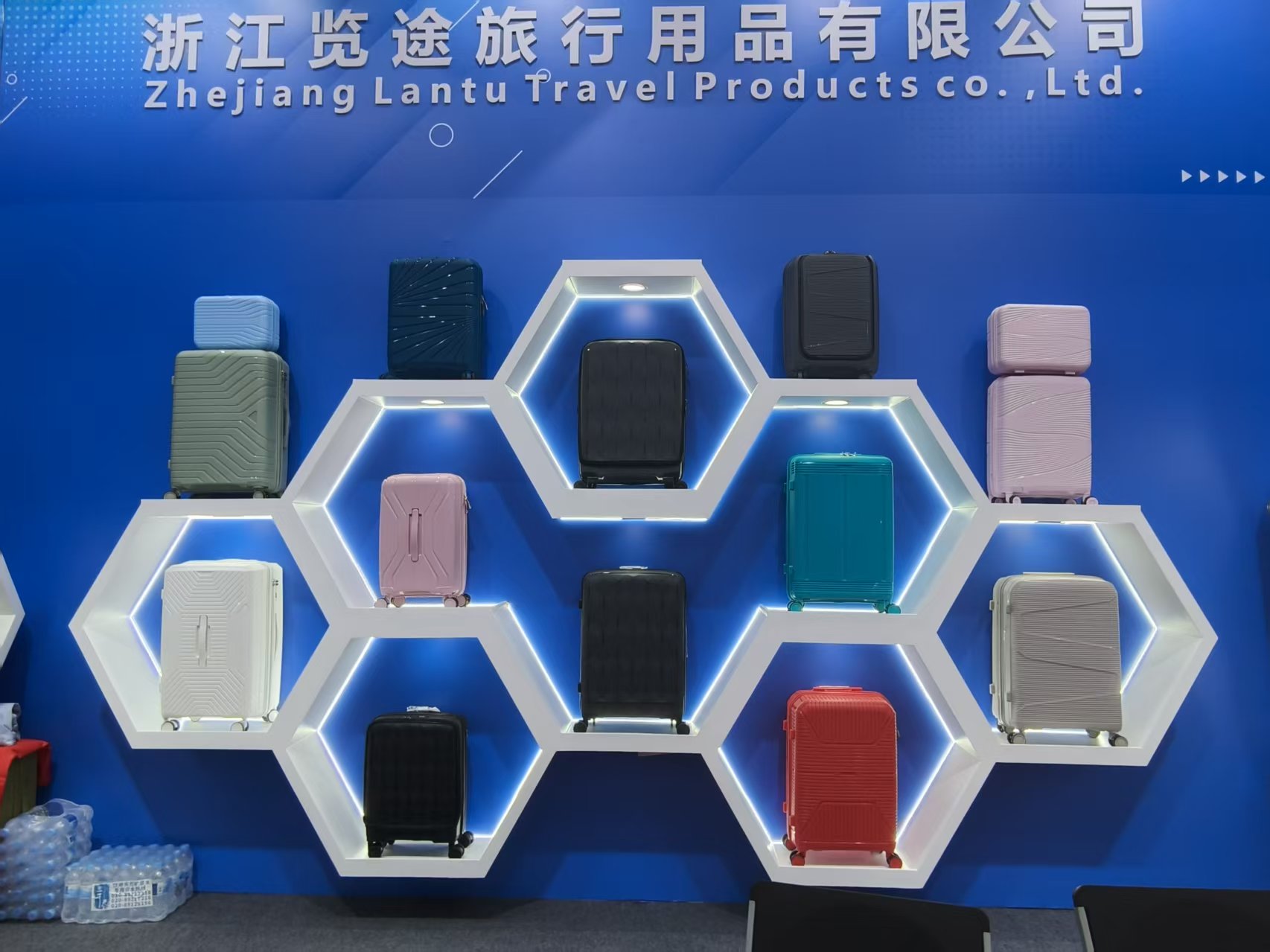
Trade fairs in China have always carried a certain rhythm. Machines running in the background, materials being shaped in real time, and visitors moving between booths with a mix of curiosity and business intent. Among these events, the China Import and Canton Fair stands out as a place where manufacturing is not only discussed, but also demonstrated.
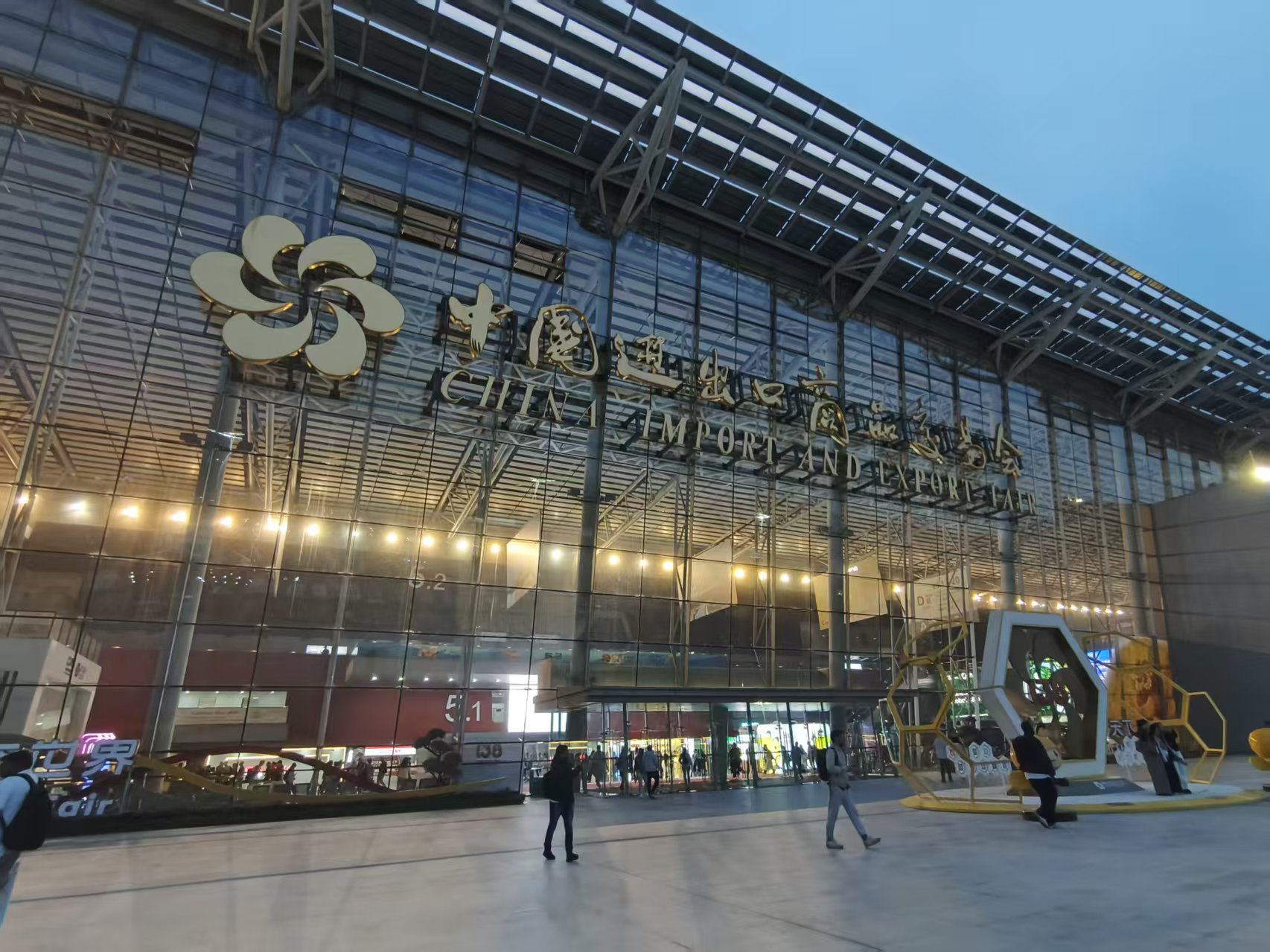
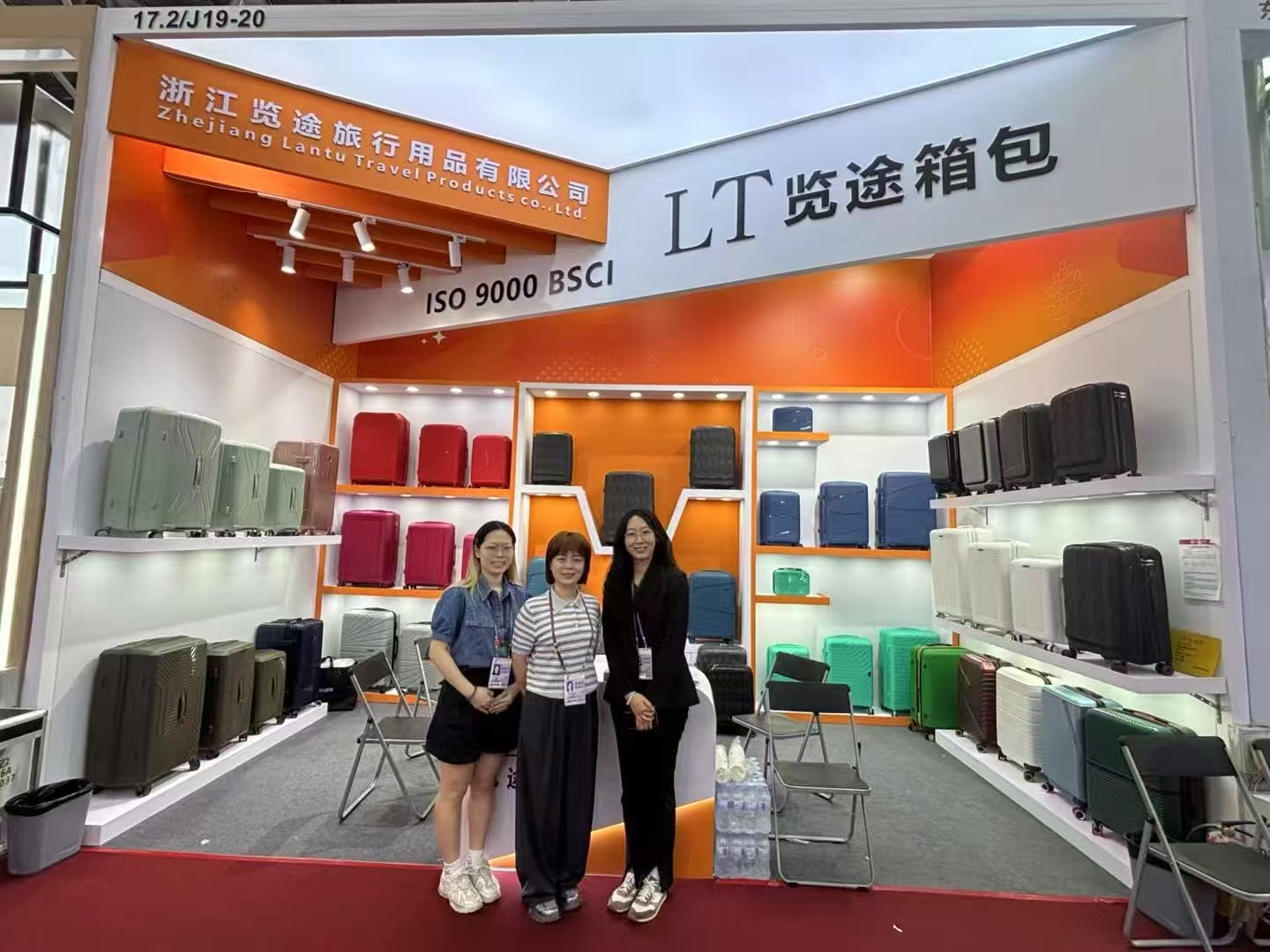
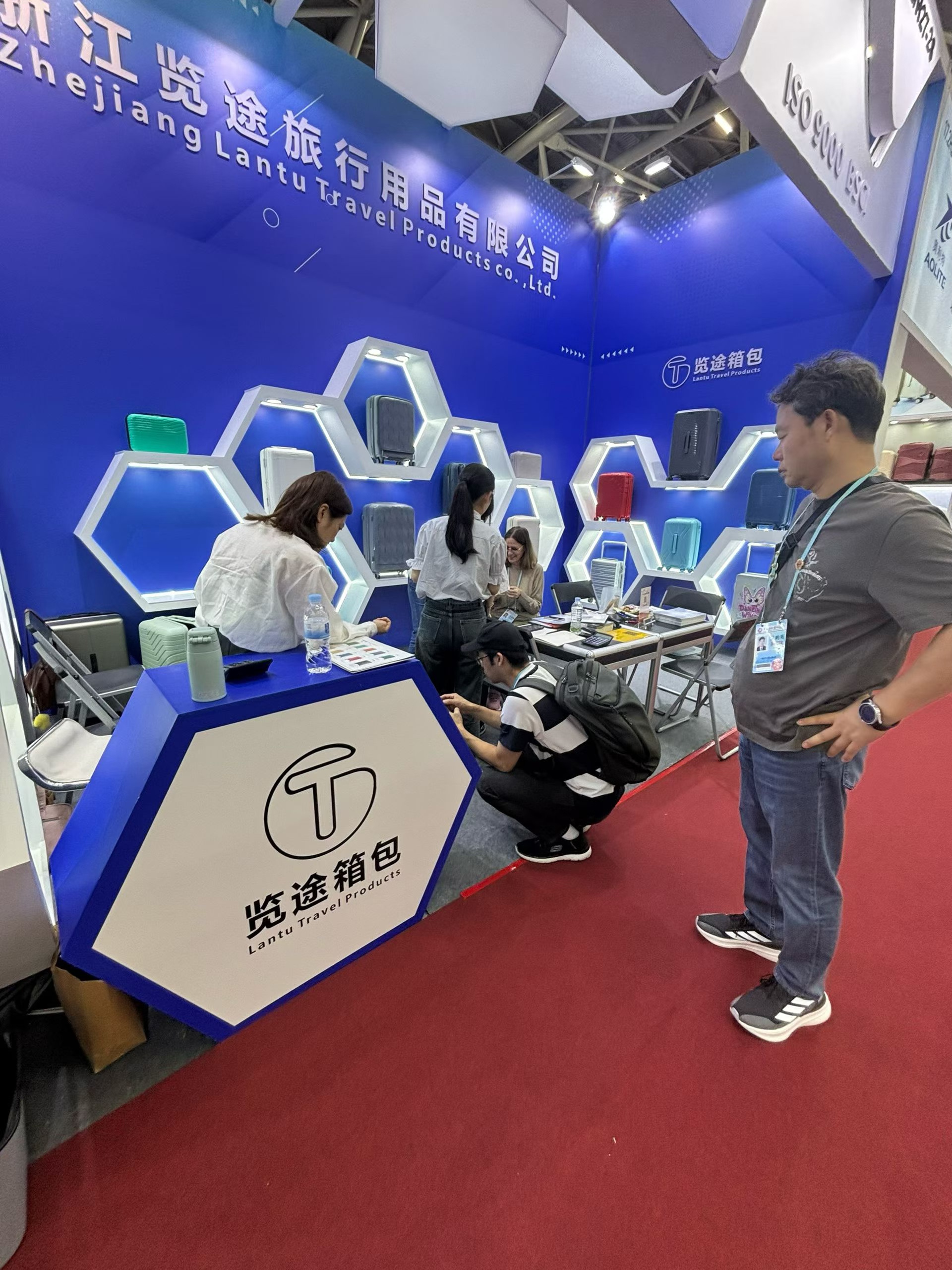
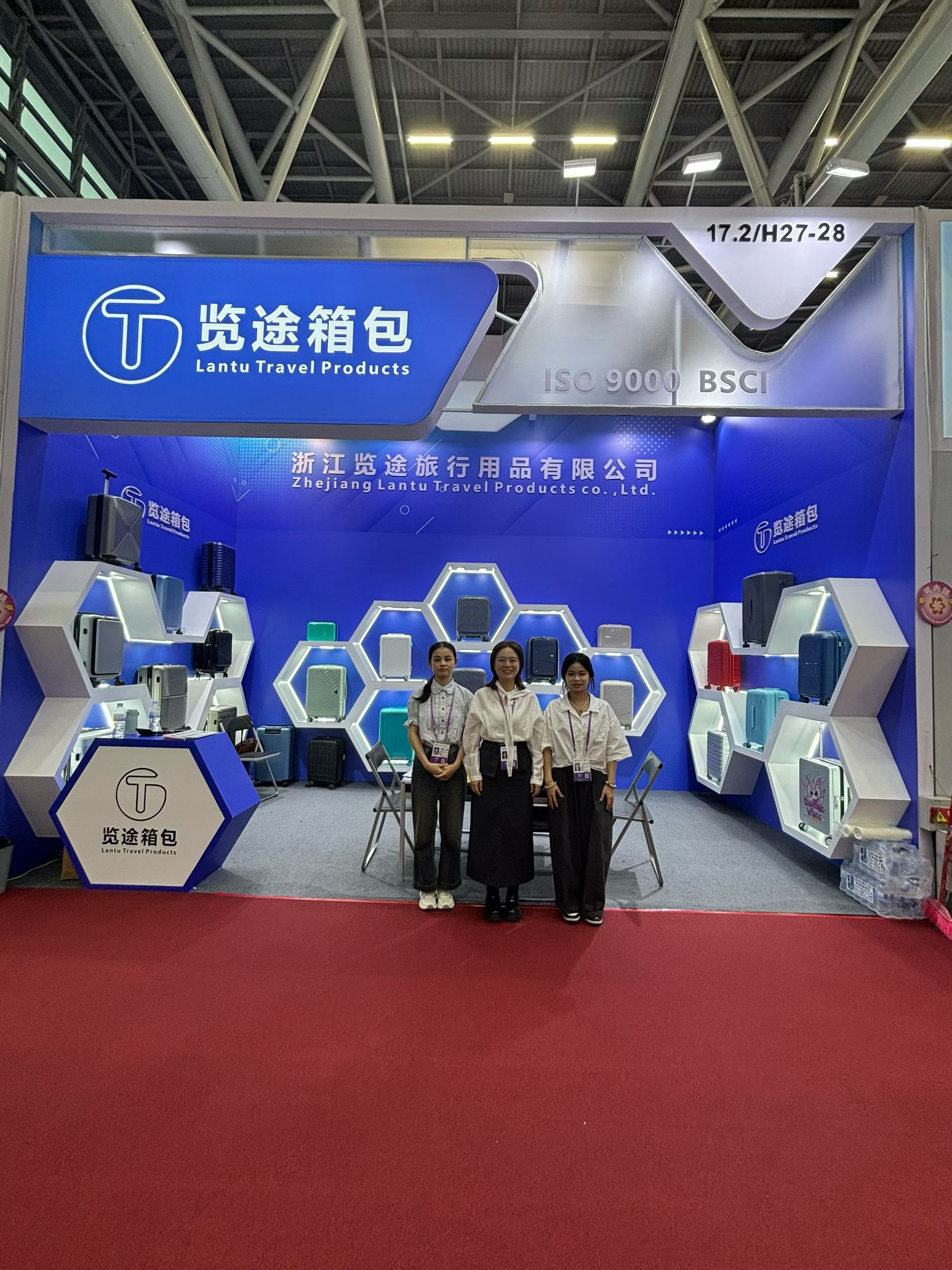
At the booth of Zhejiang Lantu Travel Products Co., Ltd., one of the most attention-grabbing scenes is the luggage shell manufacturing machine in operation. Instead of static displays, visitors see the process unfold step by step, from raw material input to the formation of a structured luggage shell.
This kind of live demonstration often tells more than brochures ever could.
What makes luggage shell production machines so important in modern manufacturing?
Luggage is no longer just a container for travel. It has become part of lifestyle design, combining durability, appearance, and usability. Behind every finished suitcase is a structured production process that depends heavily on forming equipment.
A luggage shell manufacturing machine plays a central role in this process. It shapes raw materials into consistent shell forms used in hard-shell suitcases. The focus is not only on shape, but also on stability and repeatability.
In a competitive global market, consistency matters as much as appearance. A small variation in structure can affect how the final product performs during travel, handling, or storage.
Why does live machine demonstration attract attention at the Canton Fair?
Many exhibitions show finished products. However, seeing a machine in operation changes the way people understand manufacturing.
At the Zhejiang Lantu Travel Products Co., Ltd. booth, visitors can observe how raw sheets are gradually transformed into structured luggage shells. The process feels more like watching a system in motion than viewing a product display.
This type of demonstration helps visitors understand:
- how production flow is organized
- how shaping consistency is maintained
- how materials behave under controlled conditions
- how efficiency is achieved in repeated cycles
It also creates a more direct connection between concept and reality.
How does luggage shell forming work in practice?
Although every factory may have its own setup, the general idea behind luggage shell production follows a similar path.
Material is prepared and placed into the machine. Through controlled shaping and pressure application, it gradually takes the form of a suitcase shell. After shaping, the structure is stabilized before moving to the next production stage.
A simplified view of the process can be described as:
- Material preparation and placement
- Controlled forming inside the machine
- Shape stabilization
- Cooling or settling phase
- Transfer to next production stage
This sequence is repeated continuously during operation, allowing steady output.
The key point is not complexity, but repeatability. Each cycle is expected to produce a consistent result.
What role does Zhejiang Lantu Travel Products Co., Ltd. play in this space?
Zhejiang Lantu Travel Products Co., Ltd. has carved out a solid spot in the travel goods world by focusing on both the design side and the actual manufacturing process of luggage. At trade shows, they don't just put finished suitcases on the table. They let people see how the equipment and materials come together in real production, which gives visitors a much clearer picture of the whole story behind the product.
Instead of hiding the process, they treat the making of the shell as part of their story. You can watch how the raw sheets are turned into strong, well-shaped cases, and that helps buyers connect the dots between the machinery, the material choices, and the final quality they can expect.
The Canton Fair gives them a perfect stage to show this live, where people can stand there and see it happening right in front of them.
Why is material shaping such a critical step?
Getting the luggage shell right is all about striking that sweet spot between strength and flexibility. Make it too stiff and it might crack when it gets dropped or squeezed. Make it too soft and it won't protect what's inside. The shaping stage is where that balance is decided.
During forming, the machine has to apply just the right amount of heat and pressure so the material flows into a solid shape without thinning out in weak spots or developing cracks. That's why visitors at the booth often stand and watch this part closely. They're not just checking how fast it runs — they're looking at how consistent and stable each shell looks after it comes out, because that early step decides a lot about how the finished luggage will hold up in real life.
How does live production influence buyer perception?
Seeing a machine in action often changes how buyers evaluate a supplier. Instead of relying only on product samples, they can observe production behavior directly.
This creates a more grounded understanding of:
- production consistency
- operational stability
- workflow organization
- material handling approach
It also reduces uncertainty. When a process is visible, it becomes easier to assess how scalable or repeatable it is.
At events like the Canton Fair, this type of transparency often becomes part of the decision-making process.
What can visitors observe during the machine operation?
During live demonstrations, visitors usually notice several aspects that are not obvious in static displays.
The machine operates in a continuous rhythm. Materials are processed in sequence, and each output follows a similar formation pattern. The movement is repetitive but structured.
| Stage | What is visible | What it indicates |
|---|---|---|
| Input preparation | Material placement | Workflow organization |
| Forming stage | Shape transformation | Structural control |
| Output stage | Finished shell form | Consistency level |
| Transition cycle | Reset and repeat | Production continuity |
This cycle helps visitors understand how mass production is maintained over time.
Why does real-time manufacturing matter in trade exhibitions?
Trade fairs are often about trust and clarity. When machinery is shown in operation, it removes part of the uncertainty that comes from static product displays.
Real-time manufacturing allows visitors to see:
- how long each cycle takes visually
- how stable the output appears
- how smoothly the machine operates
- how operators interact with equipment
This creates a more complete impression of production capability.
In industries like luggage manufacturing, where structure and durability matter, this visibility carries extra weight.
How does this reflect broader trends in manufacturing?
This kind of live machine demo isn't just a Canton Fair gimmick — it actually mirrors a bigger shift happening across manufacturing right now.
Buyers have grown a lot more skeptical and curious. They don't want to see only shiny finished products anymore. They want to understand how the thing was actually made — the real process behind it. That's why more and more companies are opening up the curtain instead of keeping production hidden away. Running the equipment live at the booth has become part of how they show who they are.
It brings several real advantages:
- It makes communication with potential customers much more straightforward and honest.
- People get a better feel for why the product is worth the money.
- There's less gap between what the customer expects and what they actually receive.
- Buyers can make smarter decisions because they've seen the process with their own eyes.
At big exhibitions like the Canton Fair, this trend stands out clearly. Factories that used to keep everything behind closed doors are now putting key parts of their production on full display. It's a quiet but important change in how manufacturing builds trust.
What does this mean for luggage production development?
The live demo at the booth isn't just a flashy exhibition trick — it points to where luggage production is actually heading.
The industry is under steady pressure these days: customers want lighter shells, sharper looks, and far fewer defects. That means manufacturers can't rely on old manual methods anymore. The kind of automated forming machines shown by Zhejiang Lantu Travel Products Co., Ltd.are becoming central to staying competitive. They give better control over every shell — consistent thickness, strong corners, and repeatable shapes — without needing constant rework.
It's not really about just "making luggage" anymore. The real game is controlling that early forming stage. How the shell comes out of the machine affects everything downstream: how well the lining fits, how durable the hinges and zippers sit, and whether the whole case still looks good after years of rough handling. A weak forming process creates problems that are hard to fix later.
As factories get more advanced, this forming step keeps standing out as one of the most critical parts of the whole chain. Get it right, and the rest of production flows smoother. Get it wrong, and you're fighting quality issues all the way to the shipping door.
This kind of live demonstration shows buyers that the company isn't just talking about better production — they're actually doing it on the floor.