

 English
 Deutsch
Travelers often look for luggage that adapts to different packing situations, and this is where Luggage With Expansion Capability offers a clear advantage. For many buyers, the expectation is simple: one suitcase that handles unpredictable load needs without causing frustration during inspection, movement, or storage. From a manufacturing perspective, expansion functions must work smoothly without weakening the suitcase's stability or long-term performance. Below are practical insights from the viewpoint of Luggage With Expansion Capability Manufacturers that supply global brands.
1. Space Flexibility Without Compromising Daily Use

One major reason travelers turn to Luggage With Expansion Capability is the freedom to adjust packing volume. People often collect items during trips, or they need extra space for jackets, shoes, or gifts. Expansion zippers give that added room, but the hidden challenge lies in maintaining structure when the suitcase is at full capacity. A reinforced outer shell, stable zipper track, and well-supported fabric gusset help prevent bulging. Manufacturers design the expansion panel in a way that the load remains balanced, avoiding a leaning effect when the suitcase stands upright.
Another user concern is easy access to key items. When expansion is added, internal compartments should remain tidy instead of becoming loose. Many factories adopt adjustable compression straps and dual-zone dividers so travelers maintain order inside the suitcase even when the extra volume is in use.
2. Practical Movement and Stress Reduction During Transit
An expanded suitcase naturally carries more weight, which can strain wheels and handle systems if not engineered properly. Luggage With Expansion Capability Manufacturers typically enhance wheel brackets, choose thicker telescopic tubes, and improve rivet placement to keep rolling performance smooth. Travelers do not want wobbling wheels or a handle that feels unstable when the suitcase is fully packed.
Security is another pain point, especially during international flights. Many buyers look for TSA lock systems because they avoid unnecessary damage during luggage checks. A TSA lock helps inspectors access the bag using a universal master key, which reduces the risk of forced entry. Since structural damage is a common complaint with traditional locks, integrated TSA lock placement has become a popular design choice. It keeps the lock protected and avoids loose components that might break under pressure.
3. Ease of Use in Small or Crowded Spaces
People often open their luggage in areas with limited room—small hotel corridors, train aisles, or compact bedrooms. When Luggage With Expansion Capability is combined with practical opening structures, such as front-opening or side-opening designs, daily use becomes easier. A front-opening layout lets travelers reach specific sections while the suitcase stands upright, avoiding the need to fully unpack everything.
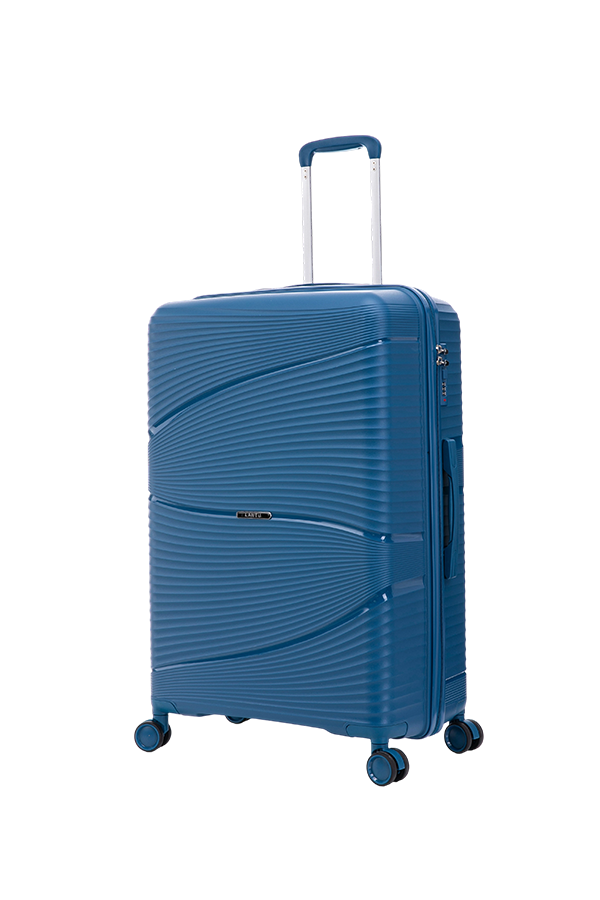
For side-opening large-capacity models, hinge strength and zipper positioning are critical. Manufacturers must design the frame to resist twisting forces that occur when the load spreads horizontally. Stability is important, especially when the user opens the suitcase while it is still standing. Thoughtful placement of internal pockets and mesh dividers improves visibility, helping travelers find what they need without digging through the entire suitcase.
4. Balancing Load, Durability, and Design Requirements
Behind every expandable suitcase is a set of engineering decisions. Manufacturers evaluate materials such as polycarbonate, ABS blends, or textile composites to match the expected load and expansion range. A suitcase that expands often deals with uneven distribution of weight, so reinforcement zones around corners and zippers help maintain shape. Wheels and handles must withstand the additional stress created when travelers push, pull, or lift the suitcase during multi-city schedules.
For brands sourcing from Luggage With Expansion Capability Manufacturers, stable performance is often as important as aesthetics. Buyers want the added function to feel natural rather than mechanical or forced. Smooth zipper pull, organized interior layout, and a stable frame all contribute to a user experience that supports travelers during both short and long routes.