

 English
 Deutsch
Why Do Some Suitcases Sound Louder Than Others?
Anyone who has pulled a suitcase across a long hallway knows the difference. Some bags move quietly, almost unnoticed. Others seem to announce every step. The contrast is not random. It comes from small design choices that become obvious in real use.
Noise often builds up from contact with the ground. Hard wheels on hard floors create a sharper sound. Slight imbalance adds vibration. Even the way a person walks can change how the suitcase behaves.
Many travelers only start thinking about this after a few trips. Early mornings, late arrivals, shared spaces. A quieter suitcase feels easier to live with, not just for the person using it, but for everyone nearby.
The idea of a Silent Spinner Suitcase comes from that everyday experience. It is less about complete silence and more about reducing unnecessary noise.
What Actually Affects How Quiet the Wheels Are?
There is no single feature that makes a suitcase quiet. It is usually a mix of small details working together.
Wheel surface plays a role. Softer materials tend to soften the contact with the floor. Harder ones may create a sharper rolling sound. The difference becomes clear on smooth surfaces like tile.
The way the wheels rotate matters too. When movement is steady, sound stays low. If there is slight resistance or uneven motion, it often turns into vibration.
Packing also affects noise. A suitcase that is evenly loaded tends to roll more smoothly. When weight shifts inside, the wheels may not move in sync.
Floor type changes everything. Carpet absorbs sound. Rough pavement can make even a well-designed suitcase louder.
So the idea of "silent" depends on real conditions, not just design alone.
Does Wheel Movement Feel Smooth or Slightly Off?
It is easy to tell when a suitcase moves well. It follows your direction without much effort. It does not pull to one side or require constant correction.
Spinner wheels are meant to move in different directions without tilting the suitcase. This can make walking feel more natural, especially in busy places.
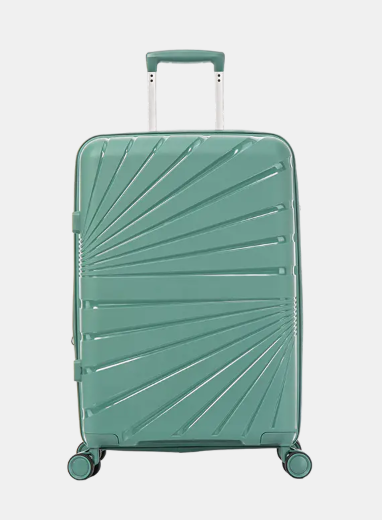
But not all movement feels the same. Some wheels turn easily but feel loose. Others feel stable but need more effort to change direction.
A balanced feel usually sits somewhere in between. The suitcase should respond without delay, but still feel steady when moving straight.
Small differences become noticeable over time. A short walk may not reveal much. A long airport corridor will.
How Much Does the Handle Change the Experience?
The handle is easy to overlook at first. Most people focus on the wheels. Yet the handle controls how those wheels behave.
A firm handle helps guide the suitcase in a straight path. Less swaying means less unwanted movement at the base. That often leads to quieter rolling.
If the handle shifts or feels loose, the suitcase may move slightly from side to side. This can add friction and sound, even if the wheels themselves are well designed.
Height also matters. When the handle is set comfortably, the suitcase follows more naturally. If it is too low or too high, control becomes uneven.
A simple detail like grip comfort can make a difference during longer walks. Better control usually leads to smoother movement overall.
Does What You Pack Inside Really Matter?
It might not seem obvious, but packing has a direct effect on how a suitcase rolls.
When items are spread evenly, the suitcase stays balanced. All wheels share the load. Movement feels steady.
If heavier items sit to one side, the suitcase may lean slightly. That lean changes how the wheels touch the ground. Over time, it can create uneven rolling and extra noise.
Keeping things in place also helps. Items that shift during travel can change the balance without notice.
A few simple habits can make a difference:
- Place heavier items closer to the bottom
- Keep similar items grouped together
- Use straps or dividers if available
These small choices affect how the suitcase behaves once it is moving.
Do Outer Materials Make Any Noticeable Difference?
The outer shell does more than protect what is inside. It also supports how the suitcase holds its shape.
A firm shell helps keep everything aligned. When the structure stays steady, the wheels remain in position. This can support smoother rolling.
A softer shell may absorb some impact during travel. This can reduce small vibrations in certain situations. At the same time, too much flexibility can affect balance when the suitcase is full.
Over time, materials react differently to wear. Some hold their shape longer. Others may change slightly after repeated use.
The difference may not be obvious at first. It becomes clearer after several trips.
How Can You Tell If It Will Work Well in Real Travel?
Trying a suitcase in a quiet store is one thing. Using it in real conditions is another.
Movement across different surfaces reveals more than a single test. Smooth floors, rough ground, crowded paths. Each setting shows a different side of the suitcase.
Turning is another detail to watch. A suitcase that changes direction easily tends to feel more natural to use.
It also helps to think about how it behaves when full. An empty suitcase often moves differently from one that is packed.
A few simple checks can help:
- Does it roll straight without effort?
- Does the sound change depending on speed?
- Does it feel stable when turning?
These observations give a clearer picture than any description.
How Do Different Travel Styles Affect the Choice?
Not every traveler needs the same kind of suitcase. The way a suitcase is used matters as much as how it is built.
Some people move frequently during a trip. They go from one place to another with little time in between. For them, easy handling becomes important.
Others stay in one place for longer periods. In that case, movement may be less frequent, but comfort still matters.
Urban travel often involves smooth floors and busy spaces. Quiet movement stands out more in these environments.
Travel that includes outdoor paths or uneven ground puts more pressure on stability.
A simple comparison helps illustrate this:
| Travel Pattern | What Matters More |
|---|---|
| Frequent movement | Easy control |
| Short stays | Simple handling |
| City travel | Reduced noise |
| Mixed surfaces | Stable rolling |
The right choice depends on how the suitcase will actually be used.
Which Small Details Tend to Be Missed?
Some features do not attract much attention at first, but they shape the experience over time.
Zippers that move smoothly make packing less frustrating. Small delays add up during travel.
Corners take the impact when a suitcase is placed down or moved quickly. Extra protection can help maintain the shape.
Wheels can collect dust or small debris. Occasional cleaning keeps them moving as expected.
Even storage matters. A suitcase kept in a stable position is less likely to develop small alignment issues.
These are not major features on their own. Together, they influence how the suitcase feels after repeated use.
A silent spinner suitcase is not defined by one feature. It comes from how different parts work together. Wheels, handle, structure, and packing all play a role. When they align, the suitcase moves in a way that feels natural, without drawing attention to itself.