

 English
 Deutsch
The size of the suitcase you should choose depends on several factors, including the duration of your trip, type of travel, airline restrictions, and personal packing habits. Here’s a general guide to help you decide:
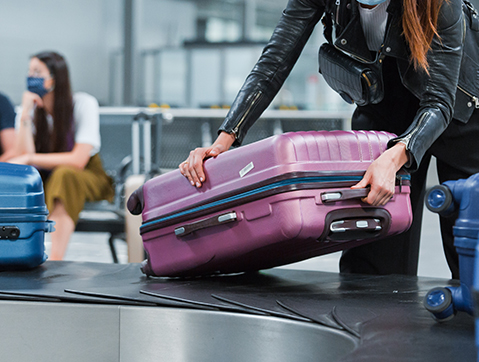
1. Carry-On Suitcase (Small: 18-22")
Best for: Short trips (1-4 days), business travel, budget airlines, or as a supplement to a checked bag.
Airlines: Fits most overhead bins (check airline size limits—typically 22" x 14" x 9" or smaller).
Pros: Avoids checked baggage fees, saves time at airports.
Cons: Limited space; may require careful packing.
2. Medium Checked Suitcase (23-26")
Best for: Week-long trips, vacations with moderate packing needs.
Capacity: ~50-75L (fits about 1-2 weeks' worth of clothing for most travelers).
Pros: Good balance between space and manageability.
Cons: May exceed carry-on limits; check airline weight restrictions (usually 50 lbs / 23 kg).
3. Large Checked Suitcase (27-32")
Best for: Long trips (2+ weeks), family travel, or if you pack bulky items (winter gear, sports equipment).
Capacity: ~75-100L (can hold 2+ weeks of clothing).
Pros: Plenty of space for souvenirs and extras.
Cons: Heavy when full; may incur overweight fees.
Additional Considerations:
-
Soft vs. Hard Shell:
-
Soft-sided: More flexible for squeezing into tight spaces.
-
Hard-shell: Better protection for fragile items.
-
-
Wheels & Handles: 4-wheel spinners are easiest to maneuver.
-
Weight: Lightweight suitcases leave more room for packing.
-
Airline Rules: Always check size/weight limits (especially budget airlines like Ryanair, Spirit, etc.).
Quick Recommendation:
-
Weekend trip? → 18-22" carry-on
-
1-2 week vacation? → 24-26" checked bag
-
Long-term travel? → 28-32" checked bag + carry-on
Would you like recommendations based on a specific trip?
What are the differences between Hardside Luggage Sets and Hard-Shell Carry-On Luggage?
A hardside luggage set is a collection of two or more suitcases sold together as a single package. These sets are designed to provide a traveler with a coordinated solution for various trip lengths. A typical set might include a large checked suitcase, a medium-sized suitcase, and a carry-on bag, all featuring a matching design, color, and construction material. The primary advantage of a set is its convenience and potential for cost savings; purchasing a set is often more economical than buying each piece individually. It allows a traveler to have a unified set of luggage that is suitable for a weekend getaway, using the carry-on, or a multi-week international trip, using the larger checked pieces. The focus of a set is on versatility and providing a comprehensive luggage collection for a household or an individual who requires multiple sizes.
Hard-shell carry-on luggage refers to a single, specific type of bag: a suitcase constructed from a rigid material like polycarbonate or ABS that is designed to meet the size restrictions for carry-on baggage as defined by airlines. Its design is singularly focused on air travel without the need to check a bag. Key features are optimized for this role, including a compact and efficient form factor, a lightweight construction to avoid weighing down the traveler, and a focus on interior organization that allows for quick access to essentials like laptops or documents during security checks. The design priority for a carry-on is maneuverability in tight spaces, often featuring high-quality spinner wheels and a telescopic handle for easy navigation through airport terminals and airplane aisles.
The differences between the two can be summarized by their core objectives. A hardside luggage set offers a holistic, multi-purpose solution for diverse travel scenarios. It is about having the right tool for every job, from a short business trip to an extended vacation. The carry-on piece within a set is just one component of this broader system. A standalone hard-shell carry-on, however, is a specialized product. It is engineered for a specific, high-frequency use case. It may feature more premium materials, such as a lightweight polycarbonate blend, or more advanced components like integrated battery packs or sophisticated locking mechanisms, as it is designed to be a traveler's primary and -used bag. While the carry-on from a set provides basic functionality, a standalone model might offer enhanced performance, durability, and features tailored to the frequent flyer who rarely checks baggage.
How long can a Hard Case Suitcase be used?
The service life of a hard case suitcase is not defined by a single expiration date but is influenced by a combination of factors related to its quality, frequency of use, and the care it receives. While it is difficult to assign a precise number of years, understanding these factors provides a reasonable expectation of its potential longevity.
The construction quality of the suitcase is the significant determinant of its lifespan. This encompasses the materials used for the shell and the integrity of its components. A suitcase made from a premium material like polycarbonate, known for its ability to absorb impacts without cracking, will generally last longer than one made from a thinner, more brittle ABS plastic. However, the shell is only one part of the equation. The durability of the components, often called the "hardware," is equally critical. This includes the quality of the zippers, the sturdiness of the telescoping handle, and the robustness of the wheels and their bearings. A suitcase with a strong shell but with wheels that fail after a few trips or a handle that becomes wobbly has effectively reached the end of its functional life. High-quality manufacturers use branded components, such as YKK zippers or Hinomoto wheels, which are designed for repeated use and are a marker of a longer-lasting product.
The frequency and nature of travel also play a substantial role. A hard case suitcase used for two or three leisure vacations per year will naturally accumulate wear and tear at a much slower rate than one used weekly by a business traveler or a tour guide. Air travel, in particular, subjects luggage to significant stress, from being stacked and handled by baggage systems to being exposed to varying temperatures and pressures. A suitcase that is frequently checked as baggage will experience a different level of stress compared to one that is exclusively used as a carry-on. The latter is primarily subjected to the wear from rolling on surfaces and being stored in overhead bins, which typically results in a longer operational life than a checked bag that undergoes the rigors of airport logistics.
The owner's maintenance and care habits can extend the useful life of a hard case suitcase. Simple practices can have a noticeable impact. Regularly cleaning the shell with a mild soap solution can prevent the buildup of grime that can degrade materials over time. Emptying and airing out the suitcase after a trip prevents odors and moisture damage to the interior lining. Checking for minor damage, such as a small crack or a loose wheel, and addressing it promptly with a repair can prevent a small issue from becoming a major failure. How a suitcase is stored is also important; keeping it in a cool, dry place, rather than a damp basement or a hot attic, helps preserve the integrity of the plastic, fabrics, and elastic components. Through conscientious use and care, a well-made hard case suitcase can remain a reliable travel companion for many years.