

 English
 Deutsch
The luggage industry is quietly changing. Not through sudden shifts, but through gradual material decisions made in factories, design rooms, and sourcing teams. One of the most noticeable directions is the use of more sustainable materials in product development.
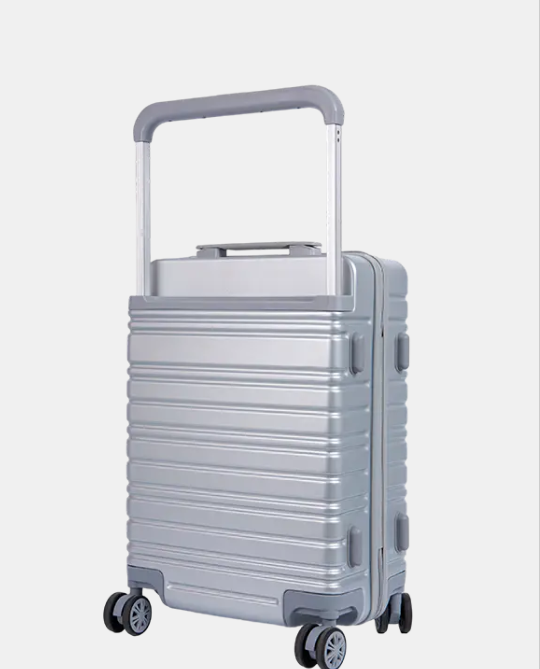
For a luggage bag supplier , material choice is no longer only about appearance or cost. It now connects to durability expectations, supply chain planning, and changing buyer preferences across different regions.
Sustainability is not a fixed label in this context. It is more like a direction that influences how materials are selected and how products are built.
What is driving the shift toward sustainable materials?
The demand for different material choices is not coming from one source. It appears across multiple layers of the market.
Retail buyers are asking questions about origin and reuse. Distributors are paying attention to long-term supply stability. End users are more aware of how products are made and how long they last.
Several factors influence this direction:
- Growing attention to material sourcing transparency
- Preference for products with longer usable life cycles
- Interest in reducing waste during production and use
- Shift in consumer expectations around everyday travel goods
These influences do not replace traditional requirements. Instead, they sit alongside them. A luggage bag still needs to function well, travel easily, and withstand repeated handling. Material decisions now carry more meaning than before.
How do luggage bag suppliers integrate new material options?
A luggage bag supplier typically works with multiple material categories at the same time. The introduction of more sustainable options does not replace existing systems overnight. It expands them.
In practical production environments, integration happens step by step:
- Testing how new materials behave during shaping
- Observing how they respond to pressure and movement
- Checking compatibility with existing assembly methods
- Adjusting surface finishing techniques when needed
The process is gradual because luggage is a product that must handle repeated impact. Materials cannot only look suitable at first stage. They must perform across repeated use cycles.
Some suppliers introduce new material options alongside traditional ones. This allows flexibility for different markets and customer expectations.
What materials are commonly considered more sustainable in luggage production?
Material selection varies depending on design goals and performance needs. In many cases, sustainability is linked to how materials are sourced or how they behave after use.
Common material directions include:
- Recycled textile-based materials
- Reprocessed plastic-based surfaces
- Plant-inspired or bio-based components
- Blended materials designed for extended use
Each category has its own behavior during production and usage. Some are softer in structure. Others focus on strength or surface resistance.
| Material Direction | General Use Purpose |
|---|---|
| Recycled textile types | Soft luggage structures |
| Reprocessed plastic surfaces | Hard shell outer layers |
| Bio-based components | Design accents or mixed layers |
| Blended material systems | Balanced strength and flexibility |
These materials are not used in isolation. They are often combined depending on product design requirements.
Do sustainable materials affect luggage durability?
Durability remains one of the most important expectations in luggage products. A suitcase or travel bag is expected to handle movement, pressure, and repeated handling.
Sustainable materials are evaluated under the same conditions as traditional ones. The focus is not only on origin but also on behavior under use.
Durability considerations include:
- Resistance to surface wear during travel
- Ability to maintain shape after repeated pressure
- Response to weight changes during packing
- Stability under different environmental conditions
Some sustainable materials perform similarly to traditional ones in certain areas, while differing in others. This is why testing and adjustment are part of the development process.
Durability is not a fixed property. It is shaped by material choice, structure design, and usage environment.
How do suppliers balance design and material changes?
Design in luggage products is closely tied to material behavior. A change in material often leads to a change in structure or finishing.
For a luggage bag supplier, balancing design and material means adjusting multiple layers at once:
- Surface texture and appearance
- Internal support structure
- Weight distribution across the product
- Flexibility during movement and packing
Design teams often work closely with material teams to understand how new options behave in real conditions. Small changes in material feel can influence how a product is shaped or assembled.
This coordination becomes more important when combining traditional and newer material types in the same product line.
Are buyers influencing material decisions more than before?
Buyer expectations play a noticeable role in material selection. Many buyers now ask for more information about how products are made and what materials are involved.
However, expectations vary depending on market segment:
- Some buyers focus on long-term durability
- Others focus on visual style and product variety
- Some prioritize sourcing transparency
- Others focus on cost balance and availability
A luggage bag supplier often works with these different expectations at the same time. This leads to flexible production planning rather than a single material direction.
Buyer influence does not replace manufacturing decisions. It shapes the range of options that suppliers prepare.
How does production adapt to changing material systems?
Production systems in luggage manufacturing are built around repetition and consistency. Introducing new material types requires careful adjustment.
Changes may appear in:
- Cutting and shaping processes
- Surface treatment methods
- Assembly timing between components
- Quality inspection routines
These adjustments are not always large. Sometimes they involve small changes in handling or sequence.
The main goal is to maintain stable output while introducing material variety. This balance is important for suppliers managing multiple product lines.
Production adaptation is often gradual rather than immediate.
Does sustainability affect cost structure in supply decisions?
Cost structure is always part of material selection. However, in modern supply discussions, cost is not viewed in isolation.
A luggage bag supplier may consider:
- Material availability consistency
- Processing time differences
- Storage and handling requirements
- Product lifespan expectations
Sustainable materials may behave differently in production stages, which can influence overall workflow planning. At the same time, long-term use value is also considered in product positioning.
Cost discussions are therefore not limited to material price. They include production flow and product performance over time.
How is product variety affected by material evolution?
As material options expand, product variety also increases. Different materials allow different structural approaches and surface expressions.
This leads to:
- More variation in product texture
- Broader range of design styles
- Flexible combinations within one product family
- Different weight and handling experiences
A luggage bag supplier often develops multiple versions of similar products using different material directions. This allows broader market coverage without changing the core design concept.
Material evolution supports variety, but also requires careful coordination to keep product lines consistent.
Are sustainable materials becoming a default direction?
The use of sustainable materials is increasing, but it is not uniform across all products or markets. Instead of becoming a strict rule, it is becoming a more common option in material planning.
Suppliers often treat it as part of a broader material system rather than a replacement for existing approaches. Traditional materials, blended systems, and newer options coexist in production lines.
The direction is visible in sourcing discussions, product planning, and design development. It continues to evolve as materials and production methods adjust to each other over time.