

 English
 Deutsch
Trolly bag manufacturing has shifted in a noticeable way in recent years. The focus is no longer only about carrying capacity. Modern travelers expect luggage to match faster movement, changing transport systems, and more flexible travel routines. In this context, trolly bag manufacturer is paying closer attention to functional design rather than simple appearance.
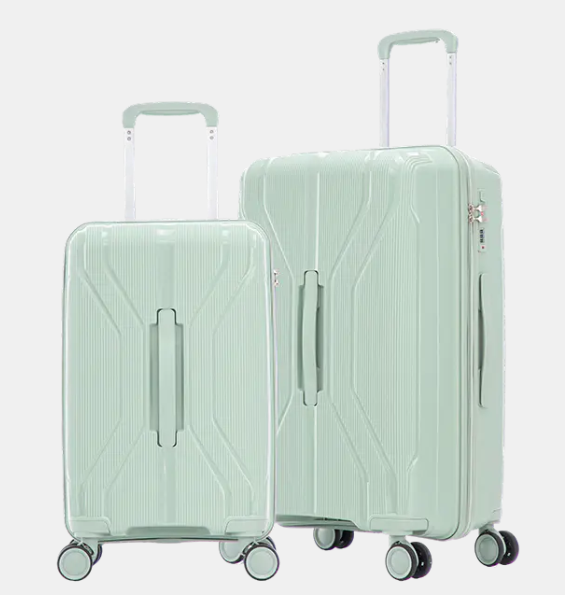
The idea of function in luggage has also expanded. It now includes ease of movement, internal organization, durability in varied environments, and adaptability to different travel purposes. These changes are shaping how products are planned and developed across the luggage industry.
What Is Driving the Demand for Functional Luggage?
People travel in all kinds of ways these days. Business trips, quick city getaways and extended vacations happen far more often than before. This change means shoppers want luggage that fits all these different travel scenarios.
One day a traveler might rush through crowded airport terminals, and the next they could be rolling their bag over rough outdoor ground. These mixed needs push brands to move past old basic suitcase designs.
Buyers now judge luggage based on real travel needs. Smooth rolling, easy carrying and adaptable storage spaces are no longer extra perks—they're standard must-haves.
Trolley bag makers take this into account right at the start of product development, tweaking their bag structures to match these practical demands.
How Do Trolly Bag Manufacturers Approach Modern Design?
Today's suitcase designers don't only focus on looks anymore. They build each bag around how real people use them while traveling day to day.
Most manufacturers center their work on these core practical points:
- How smoothly the bag rolls while moving through transit areas
- How the inner compartments are laid out for packing
- Whether the bag stays balanced when full of belongings
- How easy it is to pull or lift without strain
- If it works well for short weekend trips and long vacations alike
All these practical factors form the base of functional luggage.
Design teams watch actual travelers using luggage to collect real feedback. Tiny adjustments, such as where handles sit or how wheels are fitted, make a big difference to how the bag feels to use.
Instead of packing on unnecessary fancy features, brands aim to streamline the whole structure while boosting its practical performance.
Why Is Movement Quality So Important in Luggage?
Movement is one of the most noticeable parts of travel luggage use. A bag is constantly in motion, especially in airports, stations, and urban environments.
Smooth movement reduces physical effort. It also affects how easily a traveler can adapt to fast-changing environments.
Trolly bag manufacturers often refine wheel systems, handle responsiveness, and overall balance. These elements work together to create consistent motion.
Even small resistance during movement can change user experience. That is why movement quality has become a central design focus.
How Does Internal Structure Support Travel Efficiency?
Internal organization plays a quiet but important role in functional luggage design. Travelers often carry a mix of items that need separation and protection.
Instead of one open space, modern trolly bags often use layered storage thinking. This helps users arrange items in a more logical way.
Common internal considerations include:
- Separation between clothing and accessories
- Easy access to frequently used items
- Stable positioning of heavier objects
- Flexible space adjustment based on trip length
A well-structured interior reduces time spent searching for items. It also helps maintain balance during movement.
The goal is not complexity. It is clarity in storage.
What Role Does Durability Play in Functional Luggage?
Luggage takes plenty of abuse out on the road. It gets rolled around constantly, dragged over all sorts of ground, and handled roughly by different people.
Brands don't just build bags tough for the sake of strength anymore. They match that sturdiness to how people actually travel every day.
Shoppers tend to pick bags that stay rigid yet stay simple to pull and carry. Finding that sweet spot between solid support and lightweight flexibility makes all the difference.
Durability also covers how well the bag keeps its original shape after years of packing and rolling. Keeping its form long-term adds a lot to the bag's real-world usefulness.
How Are Modern Travelers Influencing Design Choices?
Modern travelers prioritize ease and versatility above all else. Their trips vary a lot, so one bag needs to fit more than just one travel style.
The same suitcase has to work for quick business trips, casual weekend outings, and weeks-long vacations. This pushes designers to create more adaptable luggage.
Bag makers watch how real travelers use their gear and tweak their products to match those habits. No longer are suitcases built only for one specific type of journey.
Every new design accounts for many different travel scenarios. This shift has changed how the whole luggage industry develops new products.
What Makes a Trolly Bag Functional in Daily Use?
Functionality in luggage is often experienced rather than described. It becomes clear during repeated use.
Several factors contribute to this experience:
- Ease of pulling without extra force
- Stable movement across different surfaces
- Simple access to stored items
- Comfortable handling when lifting
- Balanced weight distribution during travel
These factors work together in daily situations. When they are well aligned, the user experience feels smoother.
Function is not a single feature. It is a combination of small design decisions.
How Do Manufacturers Balance Structure and Flexibility?
Suitcases need firm framing to guard all the items packed inside. Even so, they can't be completely stiff—they have to flex a little to handle all kinds of travel scenarios.
Trolley bag makers constantly work to strike this middle ground. If the bag is too rigid, it becomes heavy and awkward to pull around. If it's too soft with no support, it will sag and lose its shape easily.
Most brands fix this with semi-structured builds. The bag holds its form steadily, yet it can shift slightly to fit uneven loads or roll smoothly over bumpy ground.
This mix of support and give works best for people who move through airports, city streets and other different spaces all on one trip.
Comparison of Functional Focus Areas in Trolly Bag Design
| Focus Area | Everyday Effect | Travel Experience |
|---|---|---|
| Movement behavior | Easier handling | Less physical effort |
| Internal layout | Faster packing | Better organization |
| Structural balance | Stable feeling | More control during use |
| Handling comfort | Reduced strain | Smoother travel flow |
Each area supports a different part of the travel experience. Together, they define how functional a bag feels in real use.
How Does Storage Design Influence Travel Comfort?
Storage design affects more than organization. It influences how a traveler interacts with the bag during the journey.
When items are easy to reach, travel feels less interrupted. When space is arranged clearly, packing becomes more intuitive.
Trolly bag manufacturers often consider how storage behavior changes during different stages of travel. Packing, transport, and unpacking all require different levels of access.
A well-planned structure reduces unnecessary effort in each stage.
Why Is Simplicity Becoming a Design Direction?
Travelers often prefer systems that are easy to understand and operate. This has led to a shift toward simpler design logic.
Instead of adding extra features, manufacturers focus on improving core functions. This includes movement, storage, and handling.
Simplicity does not mean fewer capabilities. It means clearer function.
A simple structure is often easier to maintain and use over time. This makes it suitable for frequent travel routines.
How Do Environmental Conditions Affect Luggage Design?
Travel environments vary widely. Smooth indoor floors, rough outdoor paths, and mixed transport conditions all affect luggage behavior.
Trolly bag manufacturers consider how their products respond to these changes. Movement consistency is especially important.
A bag that performs well across different surfaces supports more flexible travel planning.
Environmental adaptation has become part of functional design thinking.
What Challenges Do Manufacturers Continue to Address?
Even with evolving design approaches, some challenges remain.
One challenge is maintaining balance between capacity and ease of movement. Larger storage often affects handling.
Another is ensuring consistent performance across varied travel conditions. Not every journey follows the same pattern.
There is also ongoing attention to long-term use. Travelers expect luggage to maintain its function over repeated cycles.
These challenges continue to guide product refinement.
How Is Functional Luggage Evolving Over Time?
Functional luggage is moving toward more integrated design thinking. Instead of focusing on isolated features, manufacturers look at the entire travel experience.
This includes how the bag moves, how it stores items, and how it feels during use.
Trolly bag manufacturers are gradually refining these elements into more unified systems.
The result is luggage that aligns more closely with real travel behavior, rather than fixed assumptions.
As travel continues to change, functional design is expected to remain a central direction in luggage development.