

 English
 Deutsch
Travel today rarely follows a single pattern. Some trips are short and rushed. Some are slow and planned. Others sit somewhere in between, changing along the way. Because of this, luggage choice is no longer a simple decision based on size or appearance.
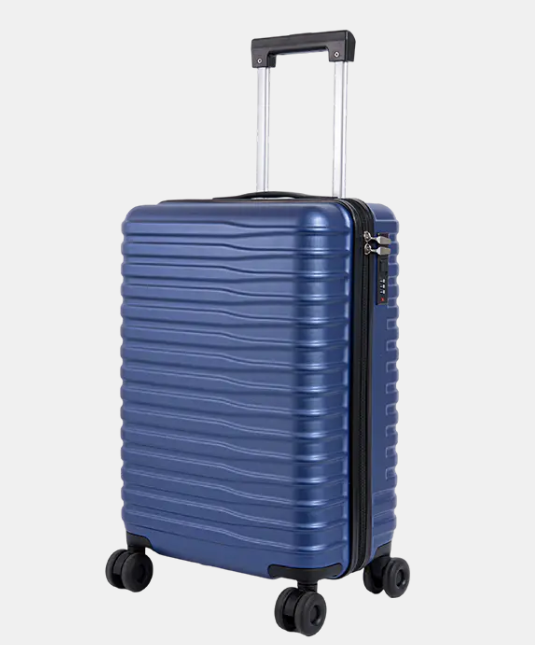
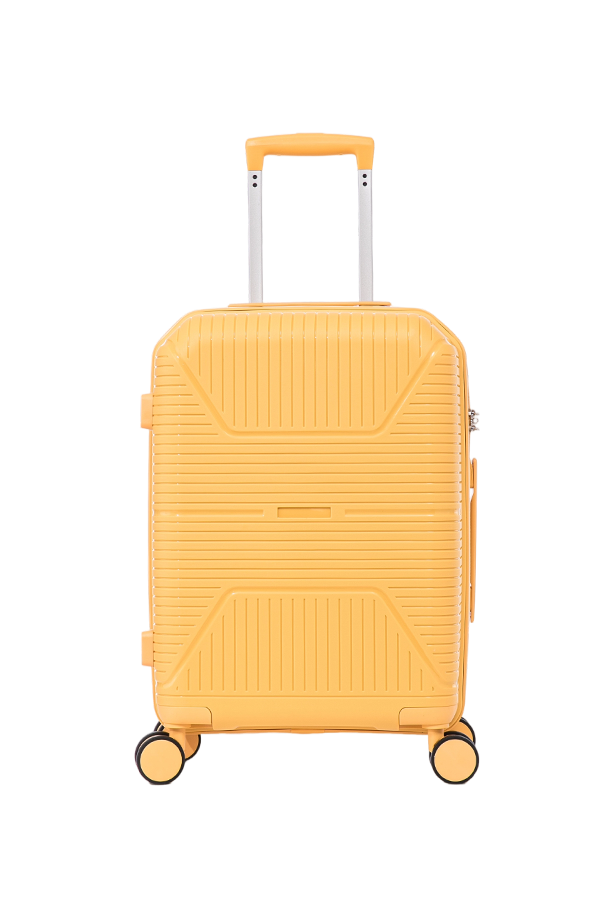
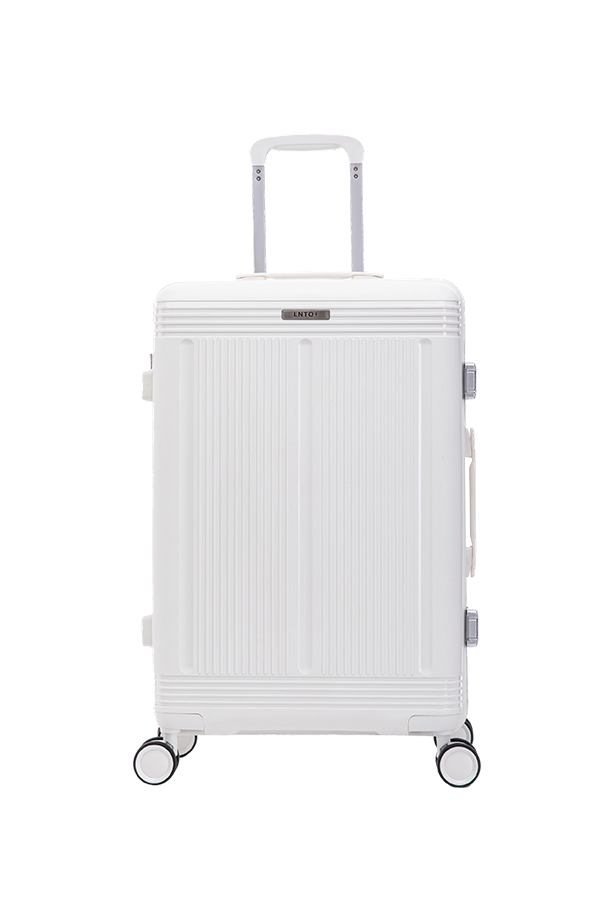
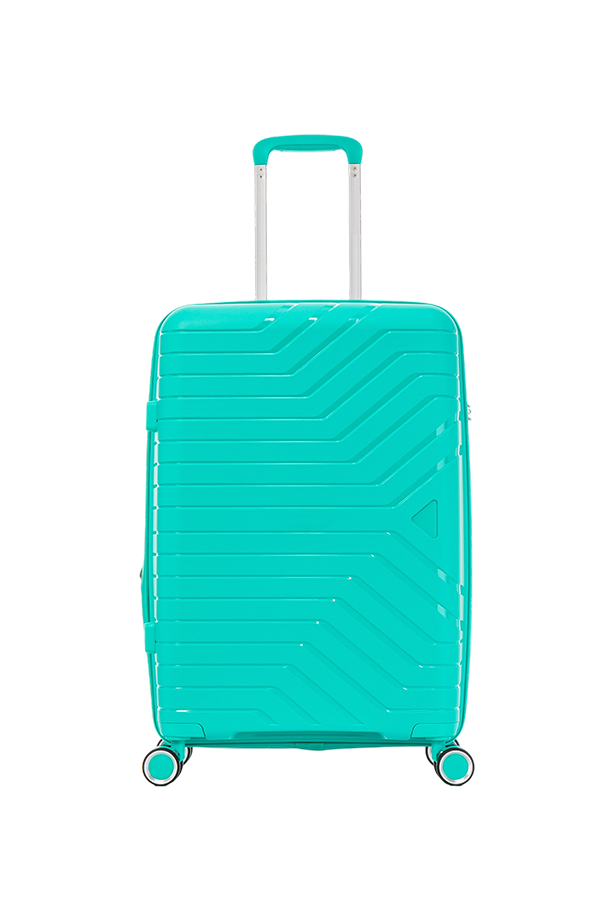
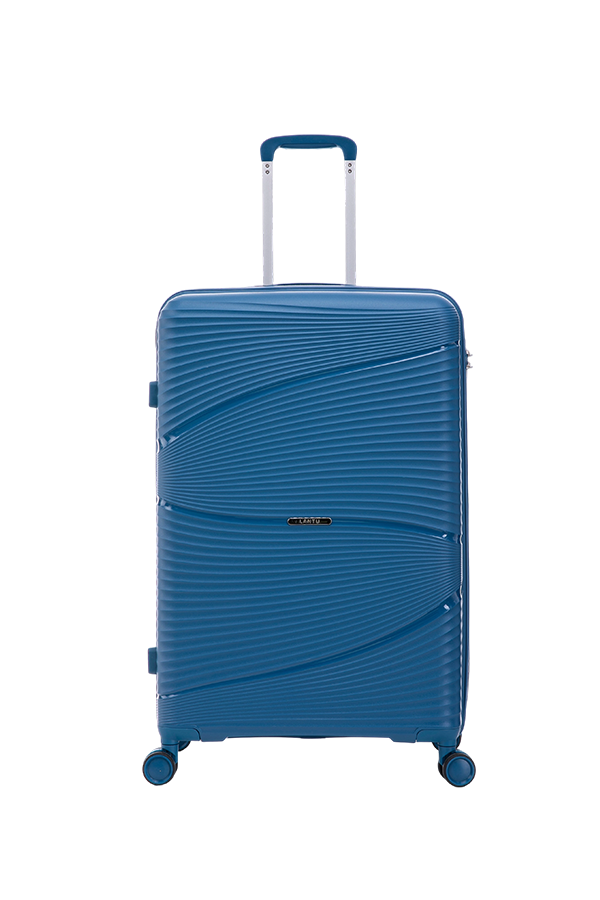
Best hard suitcase set have become a common option for many travelers. Not because they are identical in function, but because they offer flexibility across different travel situations. The same set can feel very different depending on how it is used.
Why Do Travel Styles Matter When Choosing Luggage?
People travel in different ways, even if the destination is similar. One person may move quickly through airports with minimal stops. Another may carry luggage through multiple transfers, waiting areas, and city streets.
These differences shape how luggage is experienced in real life.
A suitcase is not just stored away most of the time. It is constantly being moved, lifted, rolled, and placed again. Each travel style puts pressure on different parts of that process.
That is why matching luggage with travel behavior matters more than it might seem at first glance.
What Makes Hard Suitcase Sets Useful in Daily Travel?
Hard suitcase sets are often chosen for a simple reason: they provide options.
Instead of relying on one bag for all situations, travelers can switch between sizes depending on the trip. A small case works for quick travel. A larger one becomes useful when packing expands.
But the value is not only about size differences. It is also about how the set creates consistency. When luggage behaves similarly across different sizes, travel feels more predictable.
This sense of consistency helps reduce small stress points during packing and movement.
How Does Business Travel Shape Suitcase Needs?
Business travel usually feels fast. There is less time for packing and more focus on movement between places.
In this type of travel, convenience becomes more important than volume.
A suitable hard suitcase from a set is often the smaller one. It is easier to manage in tight spaces, easier to lift, and quicker to organize.
What matters most here is flow. Getting from one place to another without interruption.
Even small delays in handling luggage can feel noticeable in a business schedule.
What Changes in Leisure and Vacation Travel?
Leisure travel moves at a different rhythm. There is more time, more space, and usually more items to carry.
Suitcase sets become useful because packing needs can change during the same trip. A return journey might require more space than the departure.
In these situations, a medium or larger suitcase often becomes the main choice.
The structure of a hard shell helps protect belongings during repeated handling. It also keeps items more stable when the bag is moved around frequently.
Comfort becomes more important than speed in this type of travel.
How Does Family Travel Influence Luggage Choice?
Family travel is rarely simple. Multiple people, different packing needs, and shared organization all come together.
Instead of one large suitcase, a set allows distribution. Items can be separated across different cases. This makes packing feel less crowded and more controlled.
Some common patterns in family travel include:
- splitting items by person
- separating essentials from shared items
- balancing weight across multiple bags
- adjusting luggage use during the trip
This structure reduces confusion, especially during movement between locations.
The set becomes more like a system rather than a single product.
Why Do Short Trips Rely on Smaller Suitcases?
Short trips often feel lighter in planning but faster in execution. Packing is minimal, and decisions are made quickly.
In this case, smaller suitcases from the set are usually more practical.
They are easier to carry, easier to store, and easier to manage in tight travel schedules.
There is less need for extra space, and more need for speed and simplicity.
A compact case helps keep travel organized without overcomplicating packing.
How Do Different Travel Styles Compare in Real Use?
| Travel Style | Packing Behavior | Suitcase Choice | What Matters Most |
|---|---|---|---|
| Business travel | Light and fast | Small case | Speed and control |
| Leisure travel | Moderate to heavy | Medium or large case | Comfort and space |
| Family travel | Shared packing | Full set usage | Organization |
| Short trips | Minimal packing | Compact case | Simplicity |
The interesting part is that the same suitcase set can shift roles depending on the situation. It is not fixed to one use.
Why Does Structure Play Such a Big Role?
Hard suitcases are defined by their structure. The outer shell does more than protect contents. It also shapes how the bag behaves during travel.
A stable structure helps keep items in place even when the suitcase is moved repeatedly.
This becomes especially noticeable in busy environments where luggage is handled frequently.
Structure also influences how the suitcase feels when fully packed. Some bags feel balanced. Others feel slightly off even when weight is similar.
That difference often comes from internal design and frame behavior rather than capacity alone.
How Does Internal Organization Affect Travel Experience?
Inside the suitcase, layout quietly shapes the entire packing process.
A clear internal arrangement reduces the time needed to organize items. It also helps prevent shifting during movement.
Different travel styles benefit from different internal patterns:
- business travel prefers quick access areas
- leisure travel benefits from layered storage
- family travel relies on separation
- short trips work better with open space
When internal structure feels intuitive, packing becomes less of a task and more of a routine.
What Role Does Movement Play in Everyday Use?
Movement is the part travelers interact with most. A suitcase is rarely still during a trip.
It is pulled through stations, turned in corridors, lifted into storage spaces, and rolled across different surfaces.
If movement feels smooth, travel feels easier overall.
If resistance appears, even small ones, it becomes noticeable over time.
Different travel styles demand different movement patterns, but the expectation is usually the same: consistency.
How Do Travelers Balance Space and Convenience?
There is always a trade-off between storage space and handling ease.
Larger suitcases offer more capacity, but they can feel heavier in motion. Smaller ones are easier to handle, but they limit packing options.
Hard suitcase sets reduce this pressure by offering multiple choices within one system.
Instead of forcing a single decision, travelers can adjust based on the trip itself.
This flexibility is one of the main reasons suitcase sets remain widely used.
What Should Be Considered Before Choosing a Set?
The decision is often less about features and more about habits.
Some useful questions include:
- how often travel happens
- how long trips usually last
- how much packing changes between trips
- how often luggage is handled
- how much organization is preferred
When these points are clear, choosing becomes more natural and less uncertain.
How Is Suitcase Design Slowly Changing?
Luggage design is moving toward adaptability. Not in a dramatic way, but through gradual adjustments.
Instead of focusing on a single travel type, designs now try to work across multiple situations.
Hard suitcase sets fit well into this direction because they already offer variation within one structure.
The goal is not to add more complexity. It is to reduce friction during real travel use.
Over time, these small improvements shape how modern travel feels in practice.