

 English
 Deutsch
Picking luggage isn't just about how it looks. For regular travellers and wholesale buyers alike, the suitcase type shapes how people pack, day-to-day usability and how end users feel about the product. Soft-sided cabin luggage and hardshell suitcases are the two most popular options sold today, each with unique traits made to suit different travel styles.
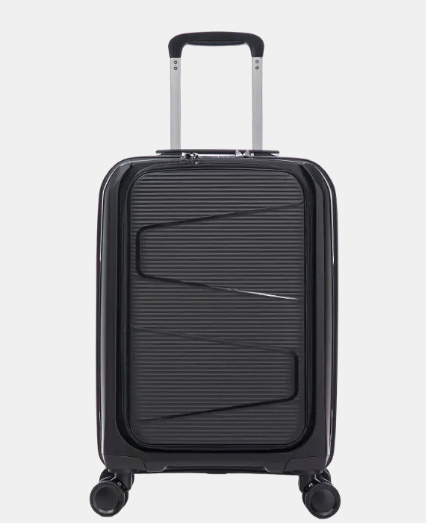
Anyone shopping for luggage will find it simpler to make the right pick once they know the gaps between these two styles. Travel brands, shop owners and distributors can't only judge items by their exterior look. They also have to weigh up the materials used, internal storage layout, market positioning and what their customers actually want.
The way people travel keeps evolving, so suitcase designs are getting more adaptable too. These days buyers prioritise bags that fit their daily routines, instead of only picking one based on visual appeal.
Why do buyers compare soft case carry on luggage with hard shell luggage?
The luggage market includes many styles, and each type creates a different user experience. Soft case carry on luggage and hard shell luggage often attract different customer groups.
Soft case luggage is usually associated with flexibility and easy organization. Many travelers appreciate its practical storage design and comfortable handling.
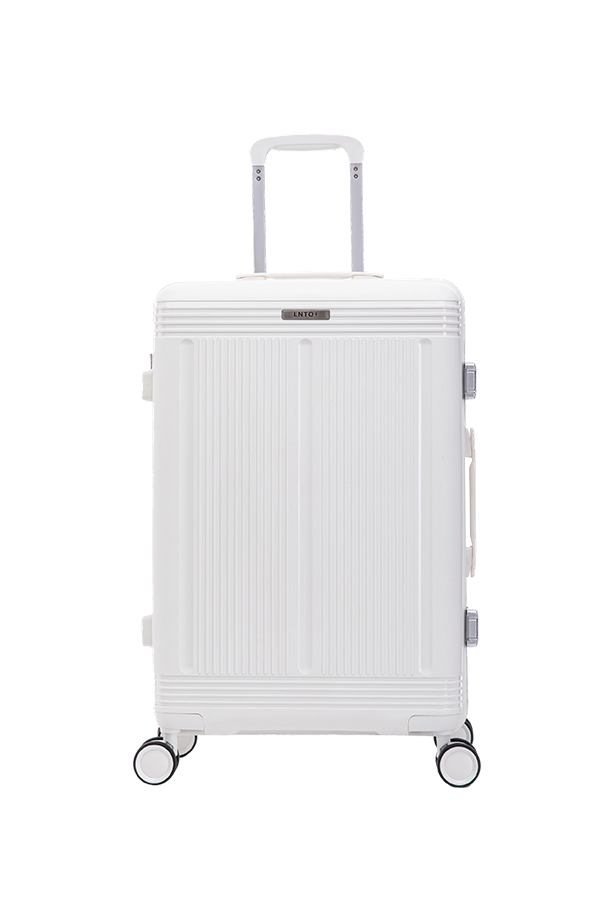
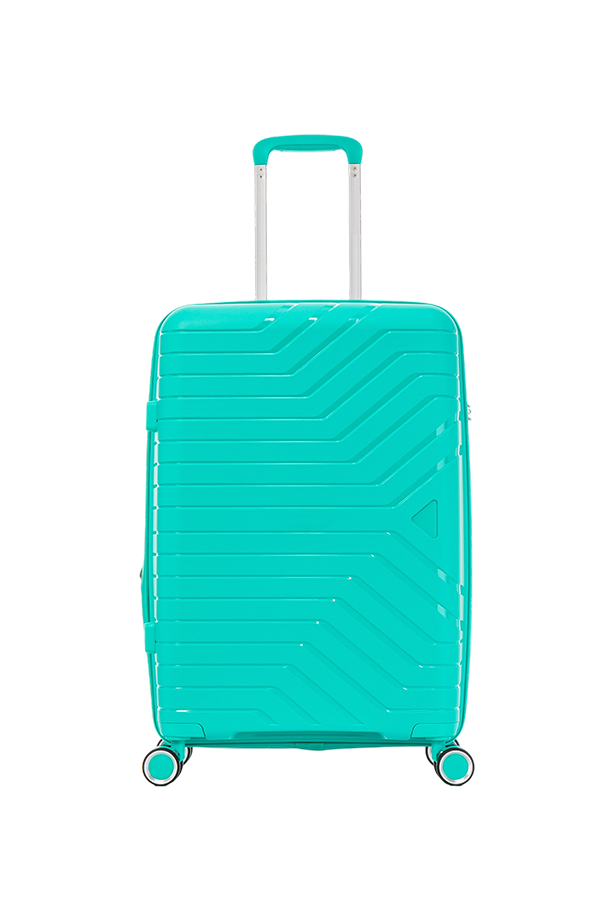
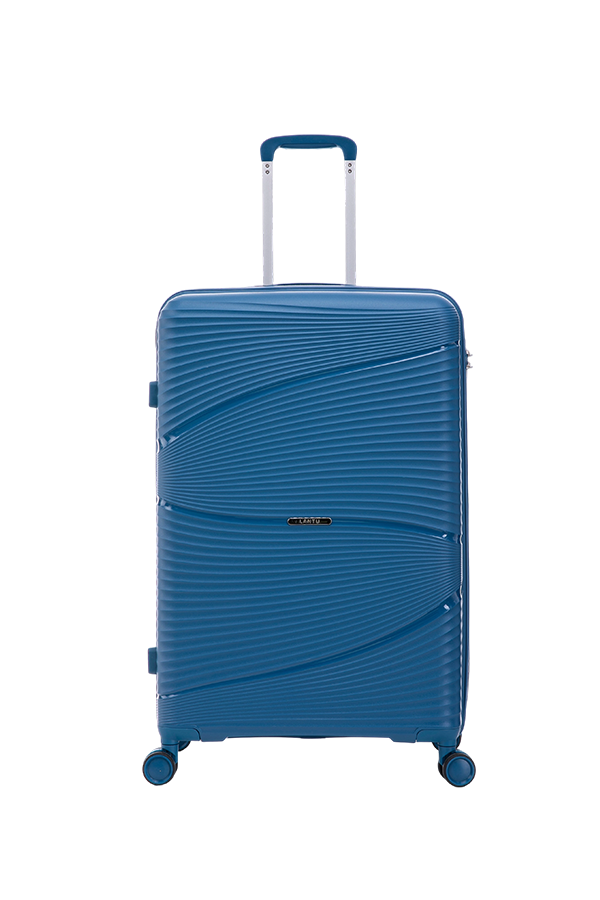
Hard shell luggage is often recognized for its firm outer structure and clean appearance. It provides a different feeling during transportation and storage.
When buyers compare these two options, they usually consider:
- packing convenience
- exterior design
- daily handling
- protection needs
- market preference
- brand positioning
The choice depends on what type of travel experience the product aims to provide.
What makes soft case carry on luggage attractive to travelers?
Soft carry-on bags stay well-liked since they let users pack in a more flexible way. Unlike hard, inflexible suitcases, soft fabrics stretch slightly to fit extra belongings.
Most travellers value easy organisation of their personal stuff. Outside pockets, expandable inner sections and user-friendly layouts often sway their final purchase call.
For brands and wholesale buyers, soft luggage leaves plenty of room to add practical features. Custom pocket layouts, fabric options and inner dividers help each brand craft items with their own unique market style.
Shoppers who want hassle-free daily trips usually lean toward soft-sided luggage.
These bags are far more than just something to hold your belongings. They help travellers stay organised throughout every trip.
How does carry on luggage hard case create a different user experience?
Hard shell luggage offers a different approach through its firm exterior structure. Many customers choose this type because of its solid appearance and organized shape.
The outer surface creates a clean visual impression. For some travelers, the structured design gives a sense of order and modern style.
Hard shell luggage is often considered by customers who prefer:
- a fixed outer shape
- a neat appearance
- simple exterior maintenance
- a more structured packing experience
For luggage brands, hard shell products can create a strong visual identity. The surface design provides more space for different colors, patterns, and finishes.
The choice between soft and hard luggage is often connected to customer habits and personal preferences.
What are the main differences between soft case and hard shell luggage?
Although both products serve the same basic purpose, their design direction is different.
A simple comparison can help buyers understand their general characteristics.
| Comparison Area | Soft Case Carry On Luggage | Hard Shell Luggage |
|---|---|---|
| Outer structure | Flexible fabric-based design | Firm outer surface |
| Packing style | More adaptable storage options | More structured organization |
| Appearance | Casual and practical feeling | Clean and modern appearance |
| Design approach | Focuses on compartments and usability | Focuses on surface design and shape |
| Customer preference | Suitable for travelers who value flexibility | Suitable for travelers who prefer structured storage |
Neither option fits every customer. The right choice depends on market needs and product positioning.
How does material choice affect luggage design?
Material selection influences how luggage feels during use. It affects appearance, handling, and overall product character.
Soft case carry on luggage often uses flexible materials that support movement and storage adjustments. The material choice can influence comfort and visual style.
Hard shell luggage depends more on the outer surface. The material contributes to the product's shape and appearance.
For manufacturers and buyers, material selection is not only about function. It also affects:
- product image
- customer expectations
- design possibilities
- market positioning
A luggage brand needs to consider what feeling it wants to create for customers.
Which type offers more design opportunities for brands?
For luggage companies, design flexibility is an important factor. Different markets may prefer different styles, colors, and functions.
Soft case carry on luggage provides many options through fabric selection, pocket arrangement, and interior organization. This allows brands to focus on practical features.
Hard shell luggage provides opportunities through surface appearance. The exterior becomes a major part of the product identity.
| Design Focus | Soft Case Carry On Luggage | Hard Shell Luggage |
|---|---|---|
| Exterior style | Fabric texture and details | Surface color and finish |
| Functional design | Storage organization | Structured shape |
| Brand expression | Practical travel feeling | Modern visual impression |
| Customer appeal | Convenience-focused users | Appearance-focused users |
For buyers, the better choice depends on the target market and customer expectations.
How should luggage brands consider customer lifestyles?
People travel in all different ways these days. Some fly often for work, others only head out on quick short trips with few belongings. Family travellers also have totally different needs from people travelling alone.
Soft-sided cabin suitcases work well for anyone wanting stretchy space and neat storage. They suit trips where travellers might need to rearrange their packed things last minute.
Hardshell luggage fits those who like neat, fixed packing spaces. Its solid shell and tidy look deliver a completely different user experience.
It matters a lot for luggage brands to learn about their customers'real lifestyles. Every suitcase they make has to fit how buyers actually travel day to day.
What should buyers consider when choosing luggage suppliers?
Selecting the right luggage supplier involves more than comparing product samples. Buyers need to understand whether a supplier can support their business goals.
Important considerations may include:
- manufacturing experience
- design support
- customization ability
- production consistency
- communication efficiency
A supplier should understand market differences and customer preferences.
For example, a travel retailer may need products with practical storage features. A fashion-focused brand may focus more on appearance and design identity.
A suitable supplier can help transform product ideas into market-ready solutions.
How do customization needs influence luggage purchasing decisions?
Customization has become an important part of luggage business development. Many brands want products that reflect their own market position.
Soft case carry on luggage can often be adjusted through:
- fabric selection
- pocket design
- interior layout
- logo placement
- packaging style
Hard shell luggage can also provide customization opportunities through surface design, colors, and appearance choices.
For buyers, customization is not only about making a product look different. It is about creating a product that connects with a specific customer group.
How do buyers decide between soft case and hard shell luggage?
There is no single choice that works for every market. Buyers need to evaluate their own business direction.
A practical decision process may include:
- understanding target customers
- reviewing travel habits
- considering product positioning
- comparing design possibilities
- evaluating supplier support
A luggage product should match the expectations of the people who will use it.
The right choice comes from understanding the relationship between product design and customer needs.
Why does product balance matter in luggage development?
Modern luggage buyers are not only looking for one feature. They want products that combine appearance, convenience, and practical use.
Soft case carry on luggage and hard shell luggage represent different design ideas. One focuses more on flexibility and organization. The other focuses more on structure and visual style.
For brands and suppliers, understanding these differences helps create products that fit specific markets.
The most suitable luggage solution depends on how design, function, and customer expectations come together.