

 English
 Deutsch
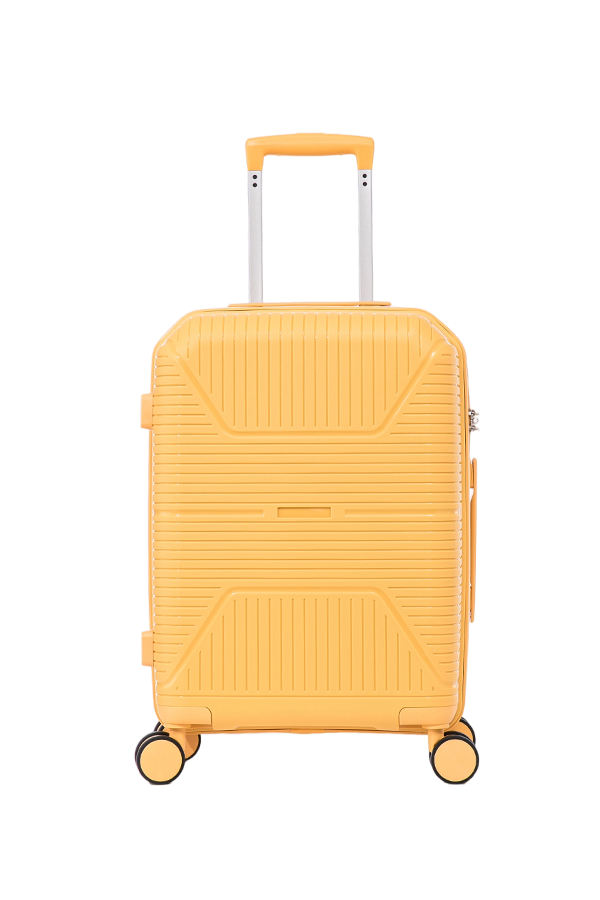
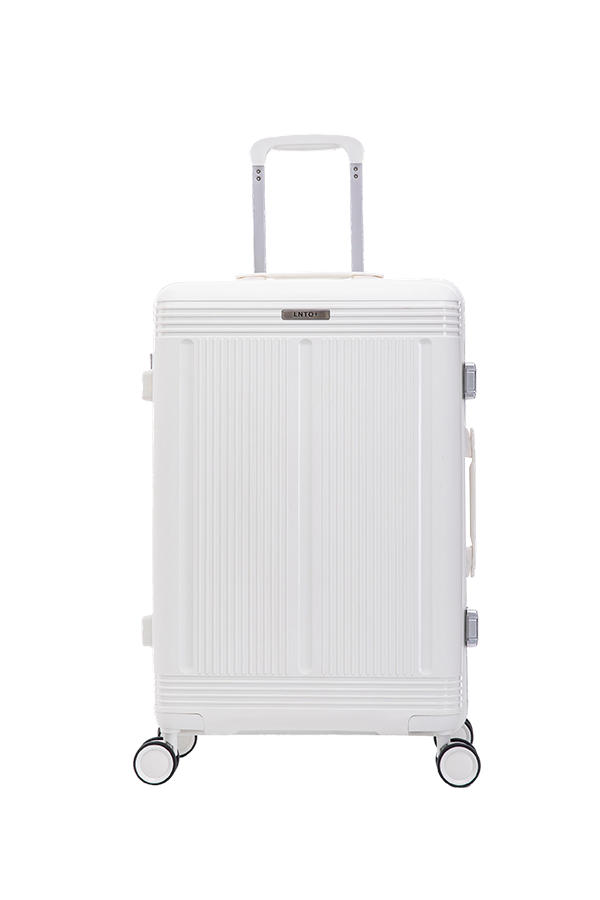
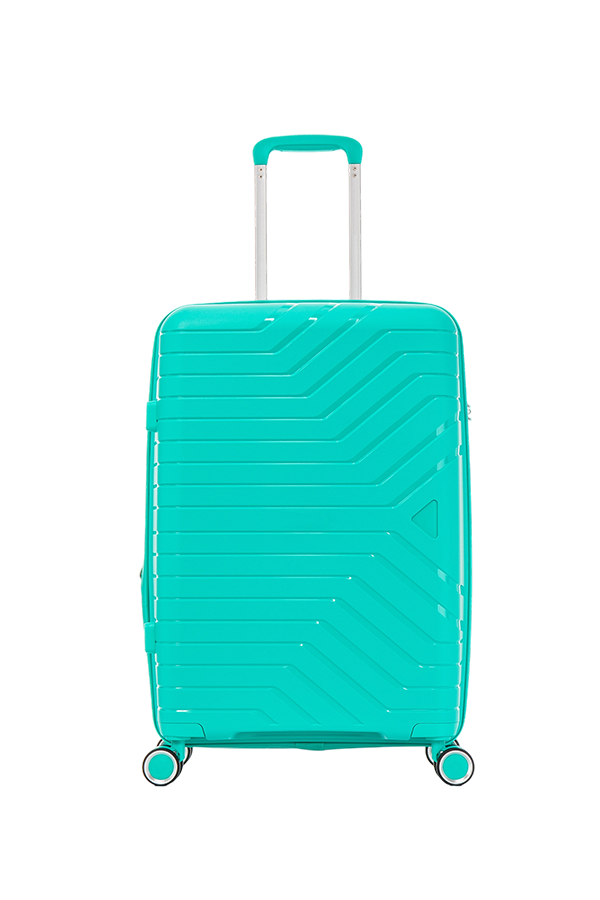
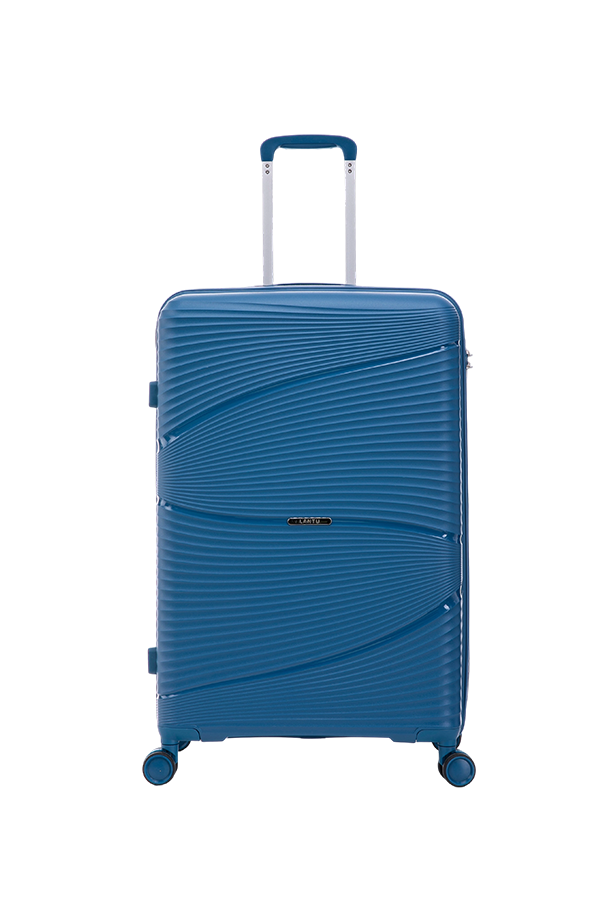
A luggage shell might look simple, but nailing the color and finish in mass production is harder than it seems. A brand asks for a specific shade of blue, a fine-grain texture, maybe a metallic look. The manufacturer then has to reproduce that appearance on every single shell—not just the sample shown during development.
ABS is a common choice for hard-shell luggage because it molds easily and accepts different color formulations and surface textures. The real challenge is keeping the appearance consistent without weakening the shell.
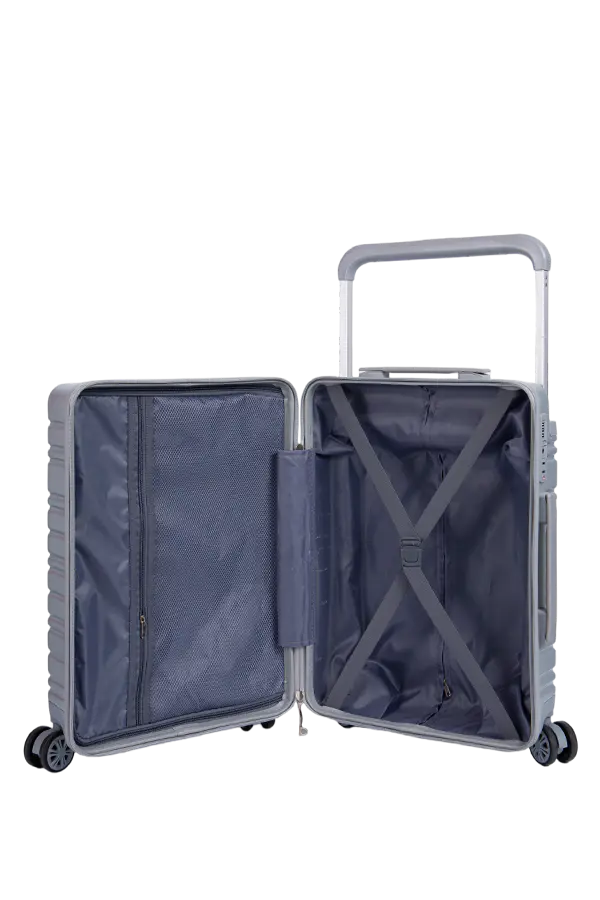
Why ABS Material Is Used for Custom Luggage
ABS (Acrylonitrile Butadiene Styrene) is a thermoplastic that can be molded into various shell shapes and surface patterns. Manufacturers can add color during material prep or create certain finishes right in the mold.
That gives luggage brands plenty of room to develop their own designs. The same basic shell can be produced in several colors, with different textures or decorative treatments.
Resin grade still matters. ABS formulations differ in impact resistance, stiffness, and processing behavior, so the material has to meet the luggage's mechanical requirements as well as its appearance specs.
How Manufacturers Develop Custom ABS Colors
Choosing Pigments and Color Masterbatch
Color masterbatch is commonly used to color ABS resin. It contains concentrated pigments carried in a compatible resin, mixed with the base material before molding.
Getting the right shade involves more than adding pigment until the color looks close. Manufacturers need to consider:
- Pigment concentration: Too much or too little shifts the finished shade.
- Heat stability: Pigments must withstand molding temperatures.
- Dispersion: Poor distribution leaves streaks, spots, or cloudy areas.
- Resin compatibility: The masterbatch carrier must work with the selected ABS grade.
Once the formula is set, the mixing ratio needs to stay consistent. Changing pigment suppliers or resin batches can affect the final color.
Color Matching and Sample Approval
Buyers usually provide a Pantone reference or a physical color sample. The manufacturer prepares a trial piece and adjusts the formulation until it meets the agreed target.
Color should be checked under controlled lighting. A shade that looks correct in daylight may appear warmer or darker indoors. That's why approving a physical sample often works better than relying on a digital image. Keep the approved sample as the reference for later orders.
Keeping the Color Consistent in Production
Even with an approved formula, production conditions can cause variation. Resin batches, pigment mixing, molding temperatures—they all influence the result.
Manufacturers need to keep these variables under control and compare production samples with the approved reference. Checking only the first few shells isn't enough for a large order; color inspection should continue throughout production.
Surface Finishes Used for ABS Luggage
The finish can come from the mold itself or from an additional treatment after molding. Each method produces a different appearance.
| Finish type | Appearance | Main characteristics | Common applications |
|---|---|---|---|
| Glossy | Smooth and reflective | Bright appearance, but fingerprints are more visible | Premium collections |
| Matte | Soft, low-reflection surface | Subtle and understated | Minimalist designs |
| Textured | Embossed or patterned | Adds surface detail and can make minor scratches less noticeable | Everyday luggage |
| Metallic | Metallic-looking effect | Creates a more decorative appearance | Fashion-oriented collections |
| Two-tone | Contrasting colors or sections | Allows more distinctive shell designs | Customized OEM collections |
Mold Texture and Surface Design
Some finishes are created directly in the injection mold. Fine grain, ridges, geometric patterns, other textures can be machined into the mold surface.
This avoids an extra finishing step and lets the same pattern be reproduced across multiple shells. The mold surface has to stay in good condition, though. Wear or damage shows up as texture differences between production batches.
Coatings and Secondary Treatments
Painting and decorative coatings are used when the required appearance can't be achieved through molding alone. Metallic effects and certain special colors may need this extra process.
Coating introduces more variables. Poor adhesion causes peeling, and incorrect curing leaves the surface less resistant to abrasion. Finished samples should be checked for coating adhesion, surface wear, and compatibility with the ABS substrate.
Quality Tests for Custom Colors and Finishes
A sample can pass visual approval and still fail during production or normal use. Appearance and durability need separate checks.
Common inspection methods include:
- Color measurement: A spectrophotometer measures color difference against the approved reference.
- Gloss measurement: A gloss meter checks whether the surface meets the agreed finish level.
- Adhesion testing: Identifies coating separation or peeling.
- Abrasion testing: Checks how the finish handles repeated rubbing.
- Impact testing: Confirms the customized shell still meets mechanical performance requirements.
Color tolerance and gloss requirements should be agreed before mass production. Otherwise, buyer and manufacturer may have different ideas about what counts as an acceptable match.
OEM Customization Costs and Lead Times
A color change usually involves less work than a new mold texture or a special coating. How much development is needed depends on how far the design moves from the manufacturer's existing process.
| Customization factor | Effect on production |
|---|---|
| New color formulation | Requires color trials and sample approval |
| Custom mold texture | May require mold modification or new tooling |
| Special coating | Adds finishing and inspection steps |
| Multi-color shell | Can complicate molding or assembly |
| Small order quantity | Spreads setup costs across fewer units |
Before approving development, clarify sample charges, minimum order quantities, tooling costs, and mold ownership. Also ask whether the manufacturer will keep the approved color formula and production records for repeat orders.
Preparing Custom ABS Luggage for Repeat Production
The approved sample shouldn't be the only record of the design. Keep the color reference, ABS grade, surface finish, and inspection limits in the product specification. That gives the factory something concrete to follow for the next order.
When assessing ABS Material Luggage manufacturers, ask how they handle color matching, mold maintenance, and in-process inspection. Their ability to reproduce the same shell appearance on a repeat order matters just as much as developing the initial sample.