

 English
 Deutsch
Choosing luggage involves more than color, wheels, or shell material. The way a suitcase opens affects how easily you can pack, reach essentials, and manage belongings in a hotel room or crowded train station. A Side Opening Suitcase provides access through a main panel on the front or side of the case. A traditional clamshell suitcase opens into two broad halves, like a book.
Neither layout works best for every traveler. Your choice depends on available unpacking space, how you organize clothing, and how often you need to reach items while traveling.
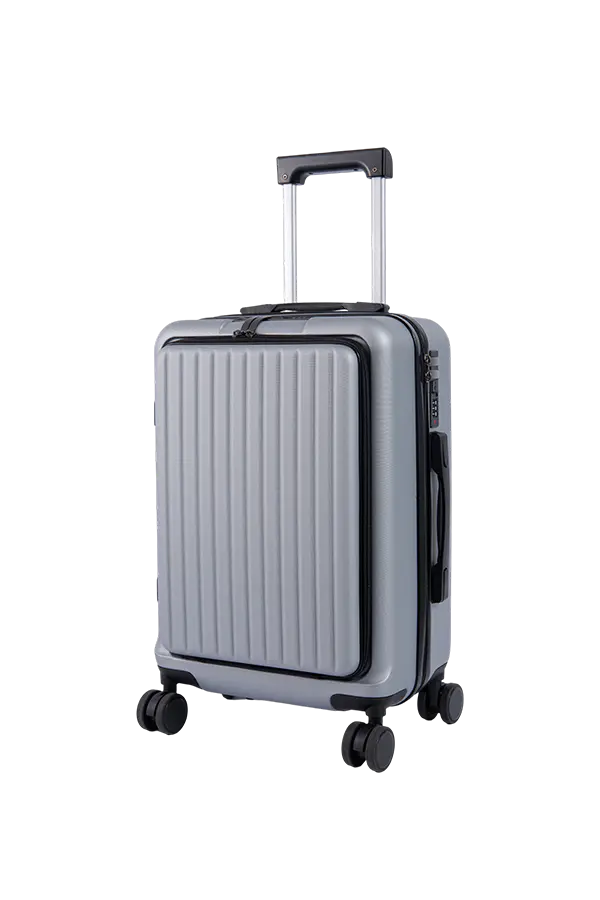
How the Two Designs Open
A side opening suitcase typically has one main access panel leading into a deeper compartment. Depending on the model, pockets or dividers behind the panel keep smaller items organized without requiring the whole case to spread across a bed.
A clamshell suitcase has two compartments connected by a center hinge. Both halves open fully, and each may have compression straps, a zippered divider, or mesh pockets. This makes it easy to split clothing and accessories into separate zones, though the open case generally needs more floor or bed space.
Designs vary by manufacturer, so review interior photos and dimensions instead of relying on the label alone.
Side Opening Suitcase vs. Clamshell Suitcase at a Glance
| Feature | Side Opening Suitcase | Traditional Clamshell Suitcase |
|---|---|---|
| Access | One main panel, depending on design | Two broad compartments |
| Open space | May need less clearance | Usually needs room for both halves |
| Packing style | Suits layered packing and quick access | Suits dividing items between sides |
| Organization | Depends on pockets and dividers | Often includes straps and zippered panels |
| Best fit | Compact rooms and frequent access | Longer stays and categorized packing |
These are general tendencies, not guarantees. Some side opening models need substantial clearance, and clamshell interiors can be highly organized.
When a Side Opening Suitcase Is More Convenient
The main potential benefit is access in compact spaces. In a small hotel room or shared accommodation, opening one panel may make it easier to reach a shirt, toiletry bag, or charger without laying out both halves of the case. This is most useful when the suitcase can open safely beside a wall or in the position shown by the manufacturer.
This layout also suits travelers who pack in layers and keep daily essentials near the opening. Built-in pockets can help, but inspect their size and placement to make sure they fit what you carry. Check whether the panel exposes the main compartment and whether straps keep clothing from shifting when it opens.
A side opening design is not automatically lighter, larger, or more durable. Zippers, hinges, shell construction, and usable interior dimensions determine much of its performance. Exterior measurements include wheels and handles, so compare internal capacity as well as overall size.
What a Traditional Clamshell Suitcase Does Well
The clamshell layout creates two distinct packing areas. You can separate shoes from clean clothes, divide outfits by day, or use packing cubes on each side. When you have enough room to lay the case flat, the wide opening makes many contents visible at once.
For longer trips, one half can hold clean clothing while the other stores accessories or laundry. Compression panels can help hold soft items in place, though they cannot guarantee wrinkle-free clothes.
The main drawback is clearance. Both halves usually need space to open fully, which can be awkward in a narrow room or shared dormitory. Only store or open the case vertically if the maker says the design supports it; an unstable lid can spill contents or place stress on the hinges.
What to Compare Before Buying
The opening mechanism is only one part of luggage performance. Check these details before deciding:
- Interior capacity: Compare internal dimensions and compartment shape. Similar exterior sizes can offer different usable space.
- Weight and mobility: Consider lifting the case into overhead bins or up stairs, and check wheel and handle stability.
- Security: Inspect zipper paths, lock compatibility, and how securely the main compartment closes.
- Build quality: Review hinge attachment, zipper construction, corner protection, and warranty coverage. The opening style alone does not predict lifespan.
- Airline limits: Check the requirements for your airline and itinerary, measuring the packed case with wheels and handles included.
Try to assess the suitcase when partially packed, too. An overfilled case may be harder to open and close, so follow the manufacturer’s packing guidance.
Match the Suitcase to Your Travel Routine
Choose a side opening suitcase if you often unpack in restricted spaces, want quick access through one panel, or prefer to keep essentials together. Product photos should show how the panel opens and how much clearance it needs.
A traditional clamshell suitcase is a strong option if you prefer clearly separated compartments, use packing cubes on both sides, or usually unpack in a room with enough space to lay the case flat. The familiar layout makes it straightforward to organize different categories of belongings.
Before purchasing, consider where the lid will rest when open, test the zippers and hinges if possible, and review the interior layout and warranty. Measuring your usual unpacking space is a simple way to avoid surprises. A side opening suitcase can make access easier in compact rooms, while a clamshell offers a broad, divided packing area; the better choice is the one that fits your habits and available space.