

 English
 Deutsch
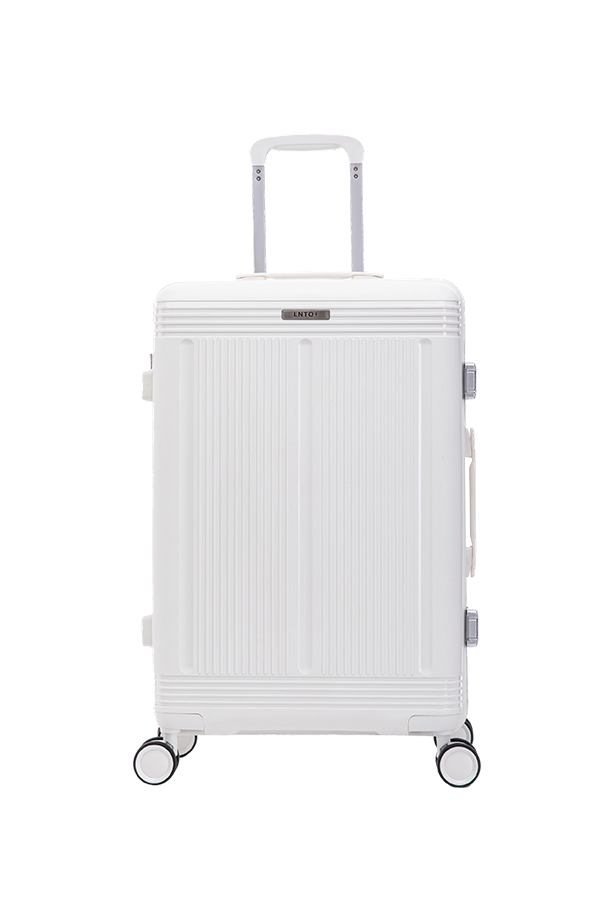
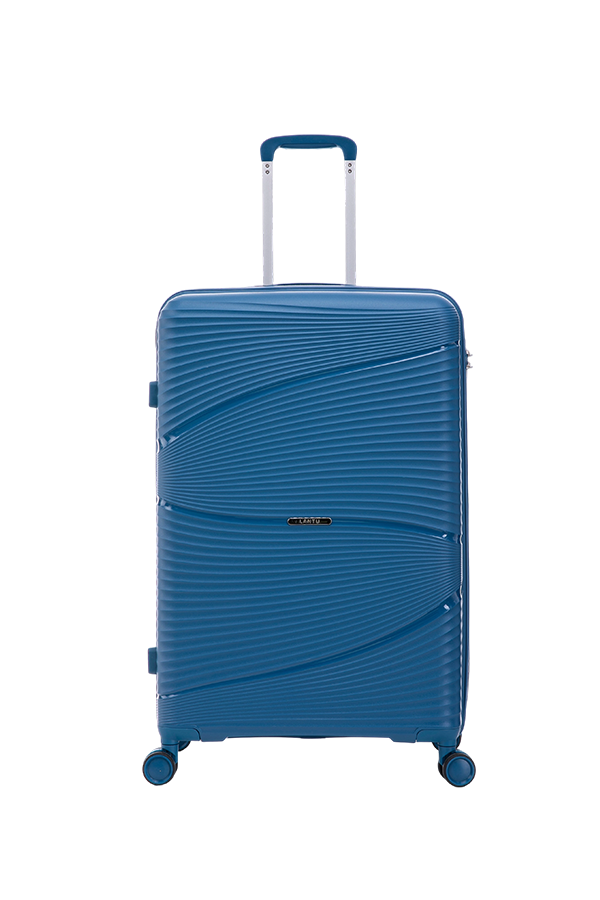
Travelers today expect luggage to be lightweight, structured, and easy to manage across different transport scenarios. From factory feedback and long-term production observation, many pain points come down to durability, layout, and consistency. These expectations explain why the ABS Suitcase Set remains widely used across various travel segments.
ABS material offers a balance between rigidity and flexibility. It resists surface cracking under pressure while keeping the shell weight manageable. For factory production, this material supports stable molding and consistent thickness, which helps control quality across multiple suitcase sizes in a set.

From a manufacturing point of view, suitcase sets also respond to user habits. Travelers often prefer matching sizes that behave the same way when rolling, lifting, or storing. A consistent shell structure and wheel configuration across a set helps reduce adaptation time during trips.
Material Structure and Daily Handling Performance
ABS sheets are thermoformed into hardshell panels that hold their shape during repeated handling. This matters during airport transfers, where luggage experiences stacking, vibration, and directional force. A well-formed ABS panel absorbs minor impacts without transferring stress directly to the internal frame.
Factories focus on reinforcing corners and edges, as these areas receive the most contact. Rib patterns molded into the shell are not just visual elements. They distribute pressure and help prevent deformation when the suitcase is loaded unevenly.
An ABS Suitcase Set typically includes shared mold logic across sizes. This means the small, medium, and large cases follow the same structural rules, scaled for capacity. That consistency supports predictable performance in transit.
Trolley System and TSA Lock Security Explained
Security remains a frequent concern in luggage design, especially for international travel. Trolley luggage equipped with a TSA lock adds a practical layer of protection while aligning with airport inspection procedures.
A TSA lock allows authorized security officers to open the suitcase using a master key. This avoids forced entry during inspections and reduces damage to zippers or shells. From a factory standpoint, integrated TSA locks are positioned within the shell to reduce exposure and accidental impact.
Another benefit lies in deterrence. While no lock is intended to stop deliberate intrusion, a TSA lock discourages casual tampering in public handling zones. Integrated placement also improves stability, as fewer external components can loosen over time.
For an ABS Suitcase Set Manufacturer, lock integration must align with shell thickness and internal lining. Poor alignment can affect closure smoothness, so production teams pay close attention to tolerance control during assembly.

Internal Layout and Side-Opening Design Considerations
Large-capacity suitcases increasingly use side-opening designs rather than traditional center-split layouts. This approach responds to real-world space limitations, such as small hotel rooms or train compartments.
A side-opening structure spreads storage horizontally. To support this, internal frames require reinforcement to prevent twisting. Factories often add support ribs or thicker side panels to maintain shape when the suitcase is upright.
Internal organization is another focus. Dual compartments, mesh dividers, and adjustable straps help keep items balanced. With side-opening access, users can reach specific sections without unpacking everything, which suits shorter stays or mixed packing needs.
For ABS shells, hinge placement becomes critical. Hinges must open smoothly without overextension. Production testing often includes repeated open-close cycles to confirm long-term reliability.