

 English
 Deutsch
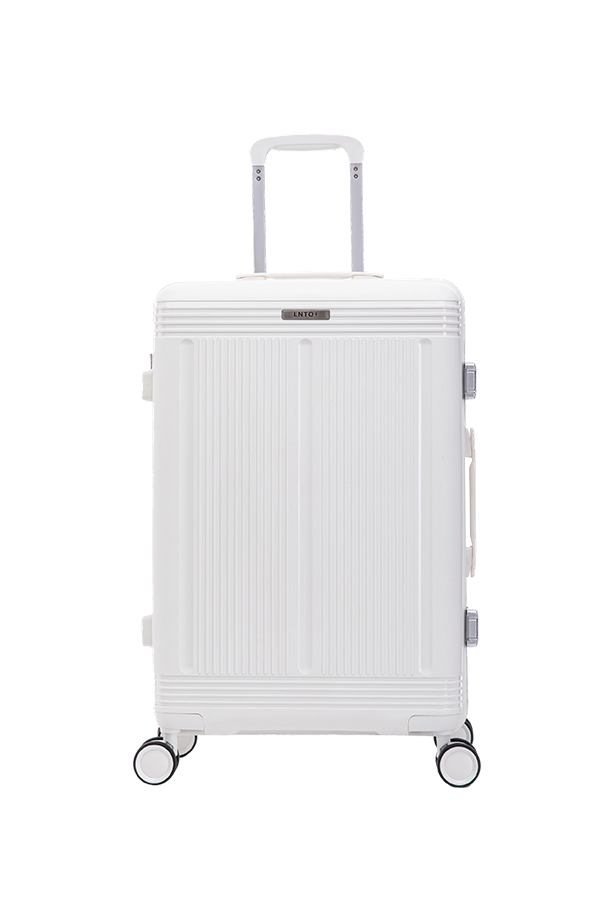
Front Open Hardshell Luggage has become increasingly visible in modern travel scenarios, especially where space and speed matter. Instead of opening like a traditional clamshell suitcase, this design allows access through a front panel. The suitcase can stay upright while being opened, which makes a difference in hotels, trains, and compact rooms. For travelers who prefer quick access without spreading belongings across the floor, this structure offers a more practical experience.
From a manufacturing perspective, the design responds to real usage pain points rather than styling trends. Access, balance, and durability are the driving forces behind this type of luggage.
Design Logic Behind Front-Opening Structures
A front-opening suitcase requires a different internal framework compared to top-opening models. The hinge system must support repeated opening without causing shell deformation. Reinforced frames are commonly used to stabilize the main body while the front panel swings open like a cabinet door.
Internal compartments are arranged vertically. This layout supports layered storage and helps keep items visible. Mesh dividers and fixed panels prevent contents from shifting when the suitcase is moved in an upright position. These details are important for maintaining order during travel, especially when opening the case multiple times a day.

As a Front Open Hardshell Luggage Manufacturer, the challenge lies in balancing accessibility with structural stability. The shell material, usually polycarbonate or reinforced ABS, must resist twisting forces created by the front opening motion.
Space Efficiency in Real Travel Environments
One of the common complaints with traditional luggage is the need for floor space. Opening a clamshell suitcase in a narrow hotel room often requires rearranging furniture. Front Open Hardshell Luggage addresses this issue by reducing the footprint needed to access contents.
Because the suitcase opens forward, travelers can place it next to a wall or bed and still reach their belongings. This feature is particularly helpful in urban hotels, sleeper trains, or shared accommodations. The opening angle is carefully controlled so the suitcase remains stable and does not tip over during use.
Comparing Front Opening and Top Opening Hardshell Luggage
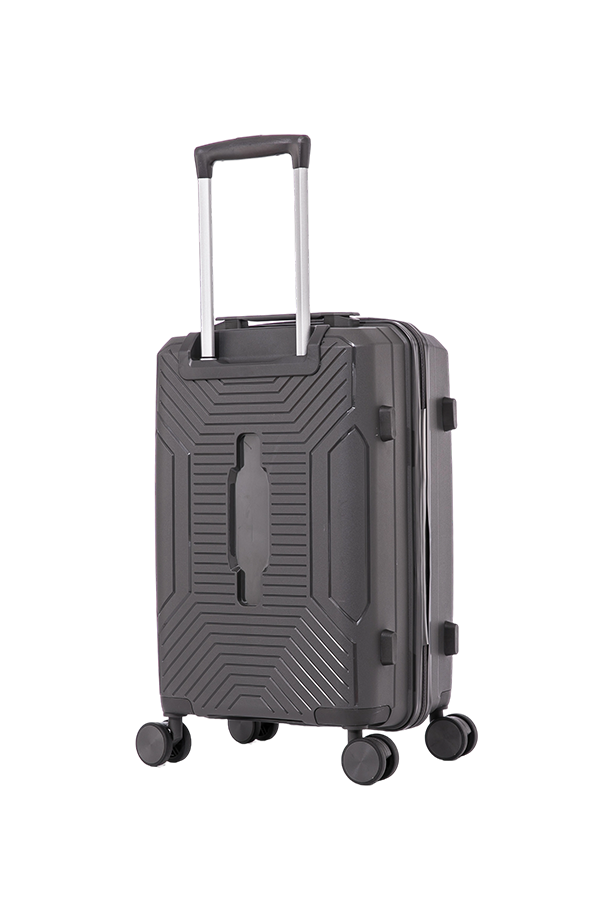
Top-opening hardshell luggage divides storage into two halves. This structure works well for long trips where full unpacking is expected. However, it requires laying the suitcase flat and clearing the surrounding space.
Front-opening designs focus on accessibility. The main compartment and front organizers allow users to reach items without fully unpacking. This makes the design suitable for short trips or situations where luggage is opened frequently.
From a structural standpoint, front-opening models rely on reinforced hinges and internal frames. Stability when opened upright becomes a priority. These design differences influence production methods and material selection for any Front Open Hardshell Luggage Manufacturer.
Security Considerations and TSA Lock Integration
Security is a practical concern rather than a marketing feature. Many front-opening suitcases integrate TSA-approved locks directly into the shell. This integration supports regulated inspection procedures while reducing the risk of damage.
TSA locks allow authorized security personnel to open the luggage using a master key. This avoids forced entry that could damage zippers or shells. Integrated lock placement also reduces exposed components, lowering the chance of accidental breakage during handling.
While no lock is designed to stop every form of intrusion, TSA locks act as a deterrent against casual tampering. They signal-controlled access and help maintain the suitcase structure over repeated inspections.