

 English
 Deutsch
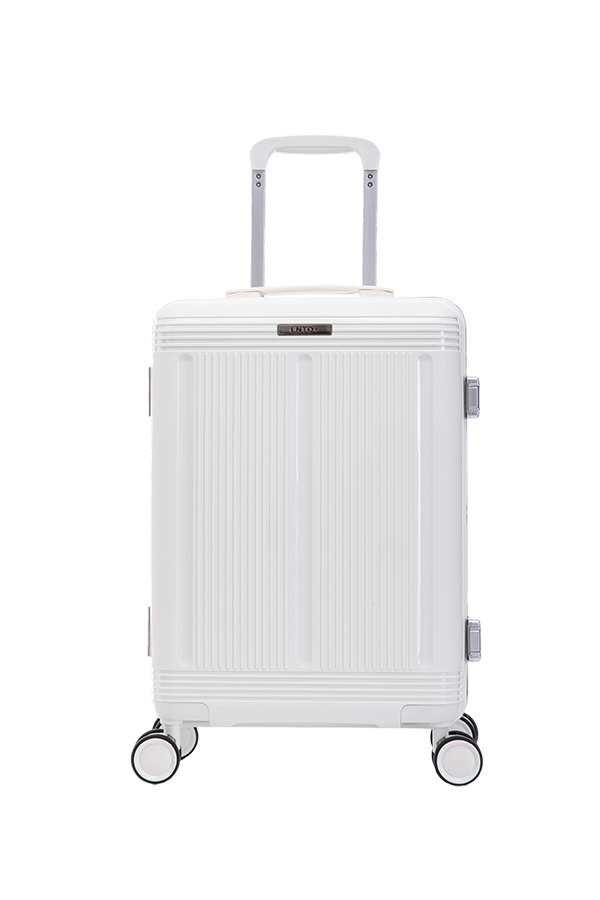
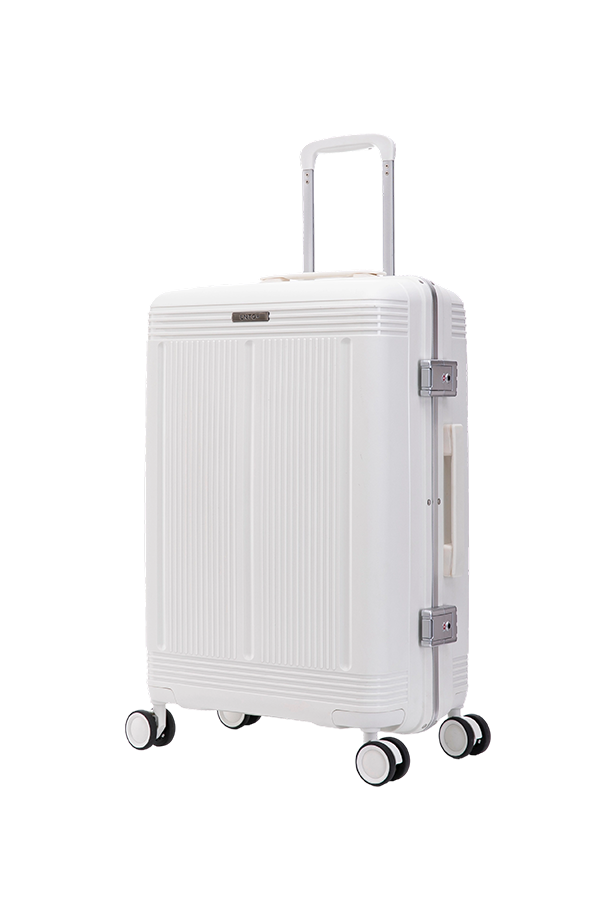
Travel habits have changed over time, and luggage design has adapted along with them. A Side-Opening Large Capacity Suitcase responds to real-world issues travelers face when packing, unpacking, and moving through limited spaces. Instead of opening fully from the center like a traditional clamshell, this structure allows access from one side, offering a more controlled and organized experience.
Large-capacity luggage often carries heavier loads, which makes usability and structure more important. Side-opening designs are built to support easier access without requiring a wide area to lay the suitcase flat. This approach reflects how people actually use luggage in hotels, apartments, or shared spaces.
Design Logic Behind Side-Opening Structures
The main difference lies in how the suitcase opens and how the weight is distributed. A side-opening structure divides storage into layered sections rather than two halves. This allows items to remain more stable during transit.
From a manufacturing perspective, reinforced side panels are essential. They help maintain shape when the suitcase is upright and reduce stress on hinges and zippers. A reliable Side-Opening Large Capacity Suitcase Manufacturer pays close attention to frame reinforcement, as twisting forces are more common with side access designs.
Internal straps and buckles also play a role. They prevent items from shifting when the suitcase is moved vertically, which is common during airport handling.
Practical Benefits in Limited Spaces
One of the most common pain points with large suitcases is space. Opening a traditional clamshell often requires a wide, clear floor area. A Side-Opening Large Capacity Suitcase can be opened partially while standing, making it easier to use in narrow hotel rooms, train aisles, or small apartments.
This design also allows selective access. Travelers can reach one compartment without exposing the entire contents. That means less time reorganizing and less risk of items spilling out.
Internal Layout and Accessibility
Internal organization directly affects usability. Side-opening luggage often features vertical compartments, mesh dividers, and removable organizers. These elements help categorize clothing, accessories, and personal items.
Visibility is another factor. Mesh panels allow users to see contents quickly, reducing unnecessary unpacking. Some designs also include quick-access sections for frequently used items, improving daily convenience during a trip.
A structured layout is especially important in large-capacity models, where unmanaged space can quickly become cluttered.
Security Considerations and TSA Locks
Security is a common concern for travelers, especially on international routes. Trolley luggage equipped with TSA locks provides a balance between protection and compliance.
A TSA lock allows authorized airport personnel to inspect luggage using a universal key. This avoids forced entry, which can damage zippers or shells. The integrated lock placement also reduces exposure to impact, supporting long-term use.
While TSA locks are not meant to stop deliberate intrusion, they deter casual tampering in busy environments like baggage conveyors. Consistent standards across destinations also make them practical for frequent travel.
A side-opening, large-capacity suitcase focuses on everyday usability rather than just storage volume. Its structure supports easier access in limited spaces, more stable weight distribution, and clearer internal organization during extended travel. When combined with thoughtful material selection, reinforced frames, and TSA lock integration, this design offers a balanced solution for modern travel scenarios.