

 English
 Deutsch
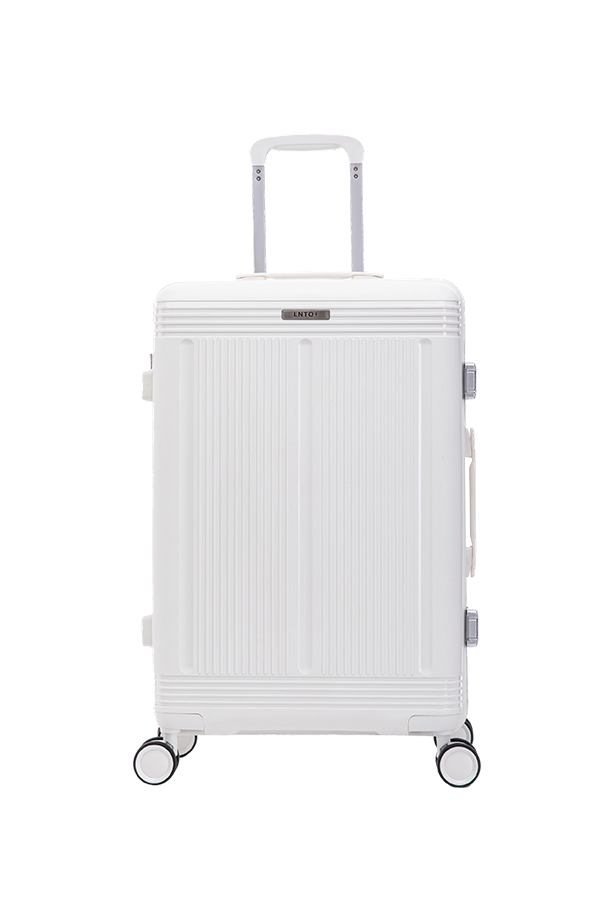
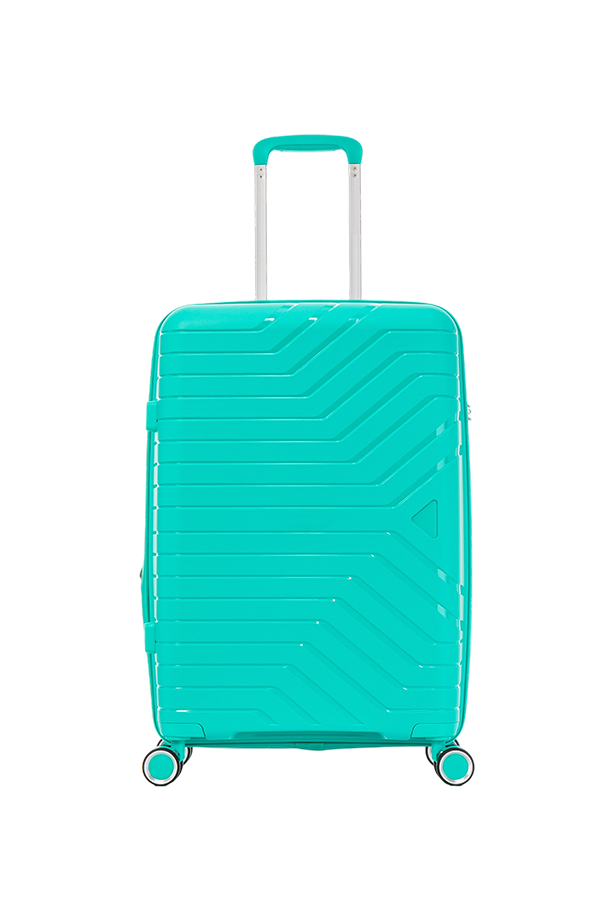
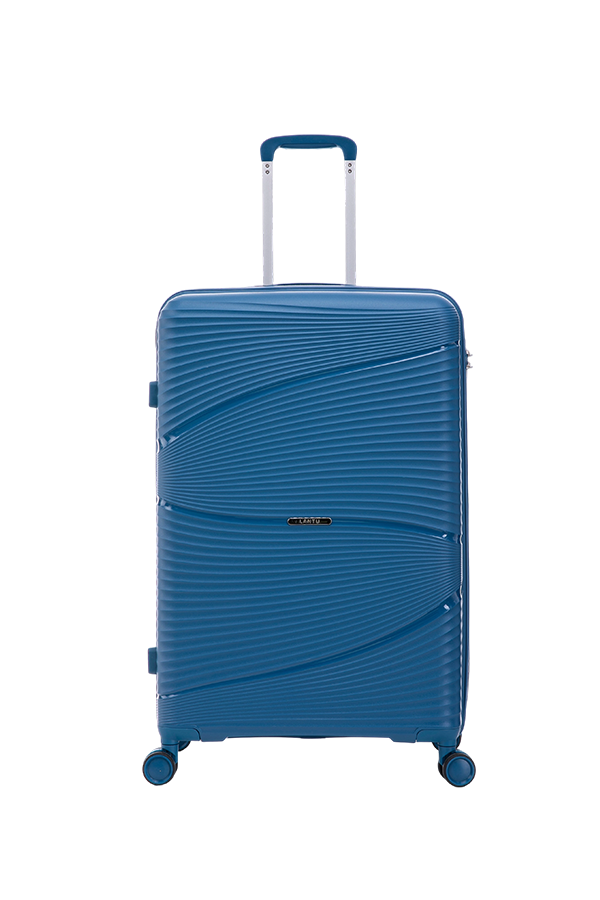
At first glance, an ABS suitcase set looks like a simple travel product. A few hard shells, wheels, handles, and a matching design across different sizes. That's what people see on shelves or in online catalogs.

Inside a ABS Suitcase Set Factory , the situation feels more layered. The process is not just about shaping plastic. It is a chain of small steps where timing, temperature, and assembly order all affect how the final suitcase behaves in real use.
The interesting part is that suitcase sets are not treated as single items. They are produced as coordinated groups, which adds another layer of control during manufacturing.
What is ABS material doing in suitcase production?
ABS is a common choice for making luggage shells mainly because it handles heat and pressure really well during molding. Manufacturers heat it up to soften it, shape it into curved suitcase forms, then cool it down to lock in a tough, solid structure.
Simply put, ABS gives the suitcase shell its core sturdiness. This outer layer is what customers feel first when carrying or rolling the case around.
Factories prefer this material since it can be shaped multiple times without losing its basic strength. It also keeps a consistent structure across all different‑sized cases in one luggage set.
Even so, the material itself isn't everything. The way workers process and mold it actually makes more of an impact on the final quality.
How does production begin before shaping the suitcase?
Before any real suitcase shape takes form, ABS Suitcase Set Manufacturer start with behind‑the‑scenes preparation.
Raw ABS plastic gets sorted and prepped for heating. Meanwhile, production teams get all the molds ready. Since each size in a suitcase set uses a separate mold, proper planning is needed right from the start.
Workers or automated machines carefully inspect every mold surface. Even tiny scratches or uneven spots will show up on the finished shell later on.
This step doesn't create any visible product yet, but it's extremely critical. It lays the groundwork for all later production stages.
Right now there's nothing that looks like a suitcase — just careful prep work and precise adjustments.
How does ABS become a suitcase shell?
The most recognizable step is shaping.
ABS material is heated until it becomes soft and flexible. It is then placed into molds where pressure helps form the familiar suitcase shape.
This is where the design starts to appear. Curves, edges, and surface lines are not random. They help the shell hold structure and resist impact during travel.
Once the shape is formed, cooling begins. The material slowly hardens while keeping the mold's structure.
After cooling, the shell is removed. At this point, it already looks like a suitcase, but it is still incomplete.
Why do shells need trimming and surface adjustment?
When you first mold a suitcase shell, there's always extra plastic around the edges where the mold meets. These excess bits have to be cut off to make the shell look clean and neat.
Trimming might seem like a small step, but it makes a big difference in how the suitcase feels. Any sharp or bumpy edges get cut down so the shell feels smooth and finished when you touch it.
Workers also fix up the shell's surface here. They check for small marks or flaws left from the molding process and touch them up to make the surface even.
Since suitcase sets come in different sizes, all the shells need to match. The big one and the small one have to look like they're part of the same set—no mismatched edges or surfaces.
How are internal parts added to the suitcase?
Once the shell is trimmed and smoothed out, it's time to put in the inside parts.
Workers add each internal component one after another: things like the structural supports that keep the shell from bending, the inner lining, and the spots where hardware (like handles or locks) will attach.
The inner lining makes the inside of the suitcase look nice and finished. It also protects whatever you put inside when you're traveling—no sharp edges or rough spots to damage your stuff.
Putting these parts together follows a specific order. Every piece has to line up perfectly with the shell. If something's even a little out of alignment, the suitcase won't open, close, or work right.
By this point, the suitcase starts to look and feel like a real, usable product—not just an empty shell.
What role does hardware installation play?
Hardware is what makes a plain shell into a suitcase you can actually use.
We're talking about wheels, handles, and locks here. Each of these parts has a specific spot to go, and they have to be attached just right.
Wheels need to spin smoothly—no sticking or resistance when you roll them. Handles have to feel solid when you pick up the suitcase, not wobbly. Locks should close easily without forcing the shell out of shape.
Workers don't wait until the end to test these parts. As soon as they install one—like a wheel or a handle—they check it right away to make sure it works.
Even a tiny mistake during installation can ruin how the suitcase works when you're traveling. A loose wheel might break mid-trip, or a misaligned handle could be hard to pull.
How are suitcase sets coordinated during production?
A suitcase set is not just multiple sizes made separately. It is a matched group designed to look and function as a unit.
Factories usually produce sets in coordinated batches. This helps keep color, texture, and surface finish consistent across all sizes.
If one piece looks slightly different, the set loses its visual balance. That is why production control becomes more detailed at this stage.
Even small changes in surface tone or handle finish can be noticeable when the set is displayed together.
What happens during inspection stages?
Inspection is not a single step at the end. It happens throughout production.
Early checks focus on shell formation. Later checks look at assembly accuracy. Final checks involve full product handling.
During inspection, a suitcase may be:
- Opened and closed multiple times
- Rolled across a flat surface
- Lifted and carried by the handle
- Checked for surface consistency
Inspectors look for smooth movement and stable structure. If something feels off during handling, it is usually flagged for adjustment.
Each suitcase in the set is checked individually, even though they are produced together.
How is surface design applied to ABS suitcases?
Surface appearance is part of both design and function.
ABS material can take on different finishes during molding or later processing. Some surfaces are smooth and reflective, while others have textured patterns.
These textures are not only for style. They also help reduce visible scratches that appear during use.
Color is usually integrated during production. Instead of being painted on top, it becomes part of the material surface. This helps maintain consistency over time.
When all pieces in a set share the same surface treatment, the visual identity becomes more unified.
Why is consistency so important in suitcase sets?
Suitcase sets are meant to be used together, even if not at the same time. One might be used for short trips, another for longer travel.
Because of this, consistency matters in several ways:
- Appearance across sizes
- Handling feel when rolling or lifting
- Movement stability of wheels
- Surface texture and finish
If one piece feels different, the entire set feels unbalanced.
Factories spend time adjusting production settings to reduce these differences. The goal is not perfection, but stable repetition.
How are finished suitcases prepared for shipment?
Once all assembly and inspection steps are complete, the suitcases move to packaging.
Each piece is cleaned and checked again. Protective layers are added to reduce scratches during transport.
Suitcases in a set are often nested inside each other to save space. This also helps keep them aligned during shipping.
Packaging is not just about protection. It also ensures that the set arrives in a structured and organized form.
What affects differences between factories?
Even when two factories use similar materials, the final products can feel slightly different.
This often comes from small variations in:
- Mold condition and precision
- Assembly sequence and control
- Surface finishing approach
- Quality checking methods
These differences may not be obvious at first glance. They often appear in how the suitcase feels during use.
One may roll more smoothly. Another may feel slightly firmer. These small details reflect the production style behind the product.
How does the full process connect together?
ABS suitcase manufacturing is not a single action. It is a connected flow.
Material preparation leads to molding. Molding leads to trimming. Trimming leads to assembly. Assembly leads to inspection. Inspection leads to packaging.
Each step depends on the previous one. If one stage shifts, the rest may need adjustment.
This is why production control matters so much. Small changes early in the process can affect the final travel experience later.
ABS suitcase set manufacturing may look simple from the outside, but inside the factory it is a sequence of controlled steps. Each stage adds a layer to the final product, shaping how it looks, feels, and performs when it finally reaches the user.