

 English
 Deutsch
A Hardshell Makeup Box is designed to store and transport cosmetics using a rigid outer shell rather than soft fabric. This structure helps reduce deformation during handling and daily use. Compared with soft cases, the hard shell maintains its shape even when pressure is applied from outside, which is useful when boxes are stacked or placed inside larger luggage.
From a manufacturing perspective, shell rigidity also affects internal alignment. When the outer frame stays stable, internal trays, dividers, and hinges remain properly positioned. This reduces wear over time and supports consistent usability.
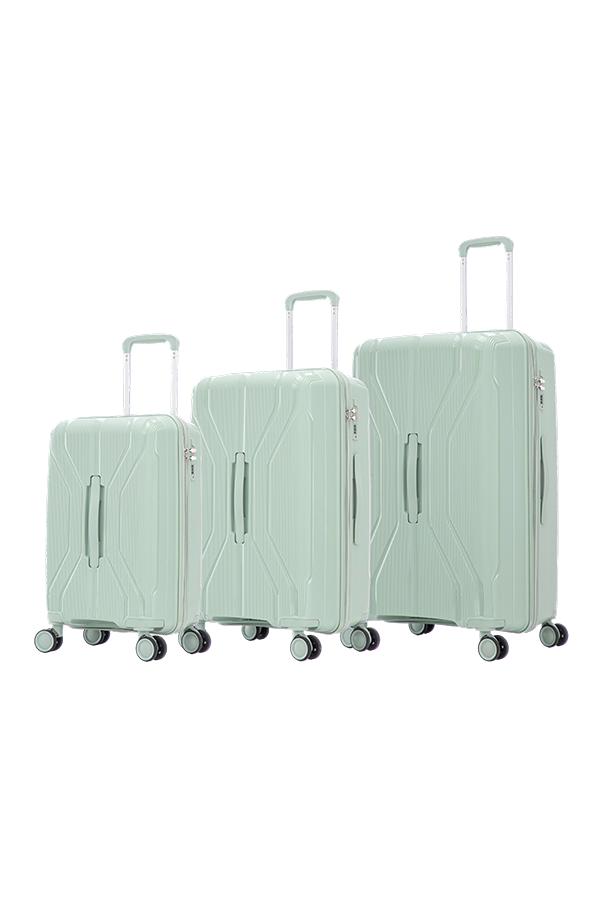
As a Hardshell Makeup Box Manufacturer, material selection and shell thickness are often adjusted based on expected use scenarios, such as tabletop storage, professional makeup workstations, or travel-related handling.
How Shell Materials Affect Daily Use
Common shell materials include ABS, polycarbonate blends, and reinforced plastics. Each material offers a different balance between weight, surface hardness, and impact resistance. ABS is widely used due to its stable molding behavior and surface finish consistency. Polycarbonate-based shells provide higher flexibility under impact, reducing visible cracking.
Surface treatment also matters. Textured finishes help reduce visible scratches, while smooth finishes allow easier cleaning. A Hardshell Makeup Box used in professional environments often favors surfaces that can be wiped clean quickly without leaving residue.
A qualified Hardshell Makeup Box Manufacturer will usually consider mold accuracy, wall thickness uniformity, and corner reinforcement during production to maintain shell consistency across batches.
Internal Layout and Organization Logic
The value of a Hardshell Makeup Box is not only in the shell but also in how the interior is arranged. Trays, elastic holders, and compartment dividers are designed to prevent items from shifting during movement. Multi-layer tray systems allow users to separate brushes, palettes, and small containers.
Weight distribution inside the box is a design concern. Even spacing helps reduce stress on hinges and handles. Removable dividers offer flexibility for different cosmetic sizes without redesigning the entire interior.
Manufacturing teams often test opening angles and tray movement to avoid friction points that could develop into long-term wear.
Lock Systems and Security Considerations
Some Hardshell Makeup Box models include integrated locks. These locks are not meant for high-risk environments, but they provide resistance against casual opening. Similar to TSA-style locks used in trolley luggage, integrated lock placement reduces the chance of forced entry and avoids damage to zippers or latches.
Integrated locks also minimize loose components. When the lock is part of the shell structure, it is less exposed to impact. This approach supports durability during frequent opening and closing cycles.
For export-oriented production, consistent lock specifications help meet different market expectations without altering the main structure.
Portability and Handling Design
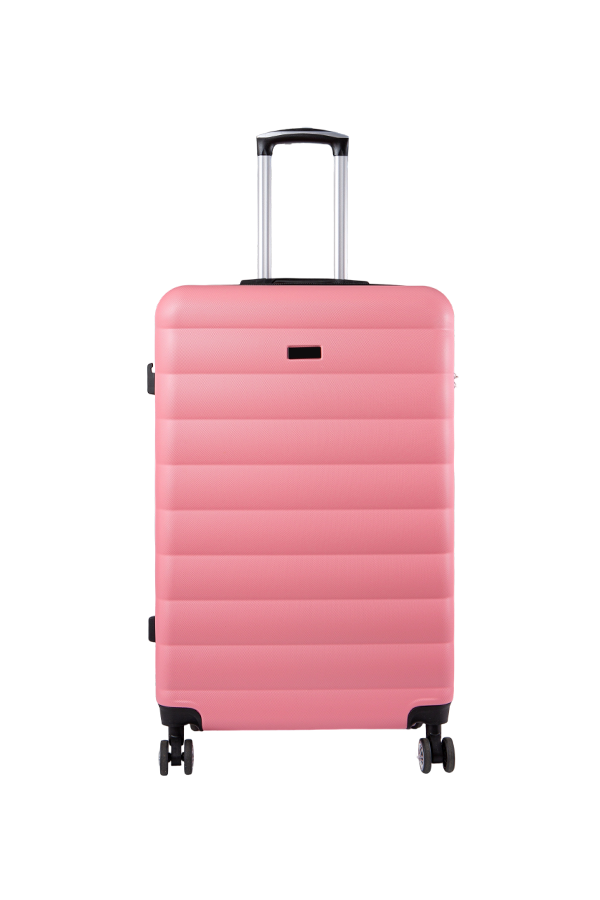
Handles, hinges, and corner protectors play a large role in how a Hardshell Makeup Box feels during use. Handles are usually reinforced at attachment points to avoid stress cracks. Hinges must allow smooth opening without overextension, especially when trays are fully loaded.
Some designs borrow concepts from side-opening hardshell luggage, where internal balance prevents tipping when the box is opened on a table. Structural reinforcement around the opening edge helps resist twisting forces.
A Hardshell Makeup Box Manufacturer often conducts repeated open-close testing to evaluate hinge stability over time.
Cleaning, Maintenance, and Surface Longevity
One advantage of a Hardshell Makeup Box is ease of cleaning. Spilled powders or liquids can be wiped from the shell surface without soaking into the fabric. Interior linings are often made from wipeable materials or removable inserts.
Surface longevity depends on coating adhesion and molding quality. Poorly bonded coatings may peel over time, while consistent molding supports longer surface appearance retention.