


 English
 Deutsch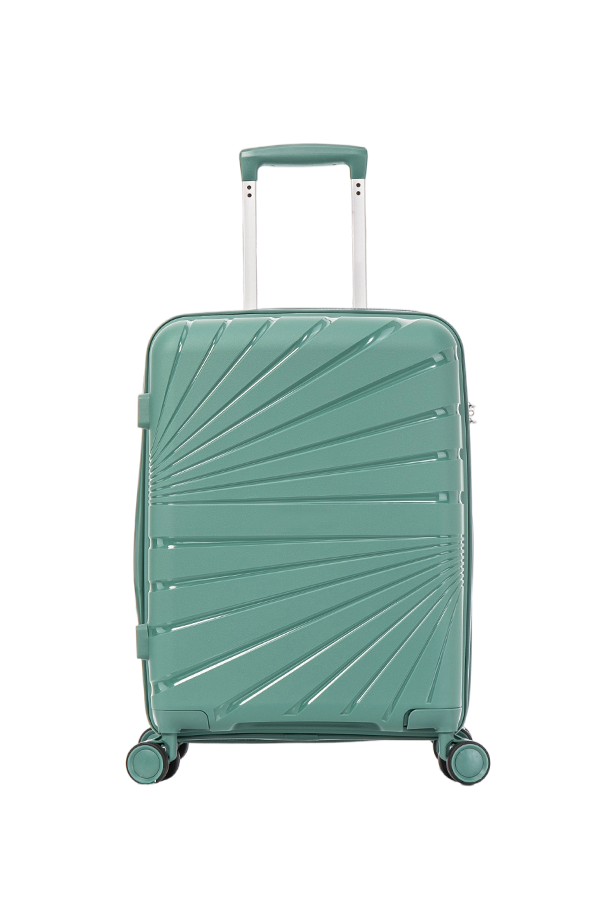

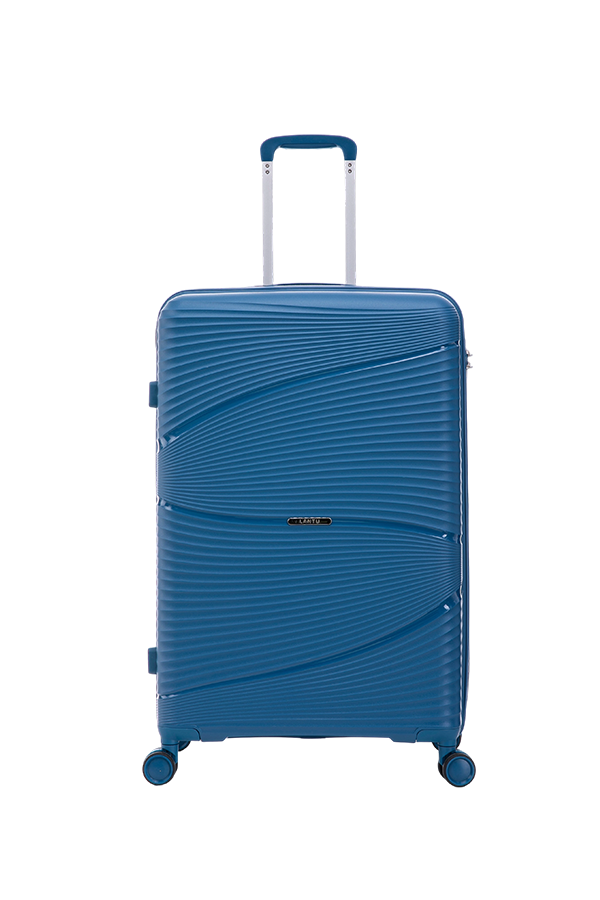
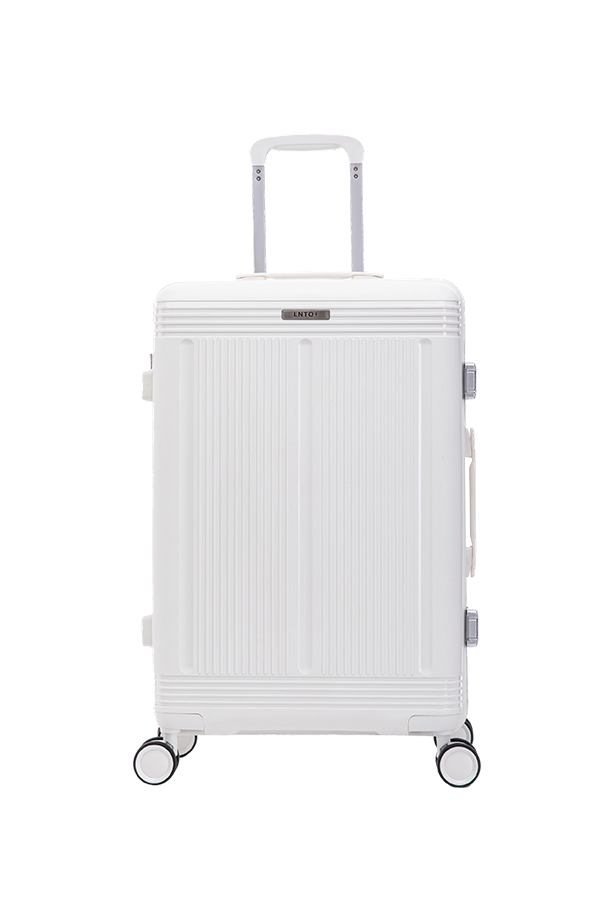
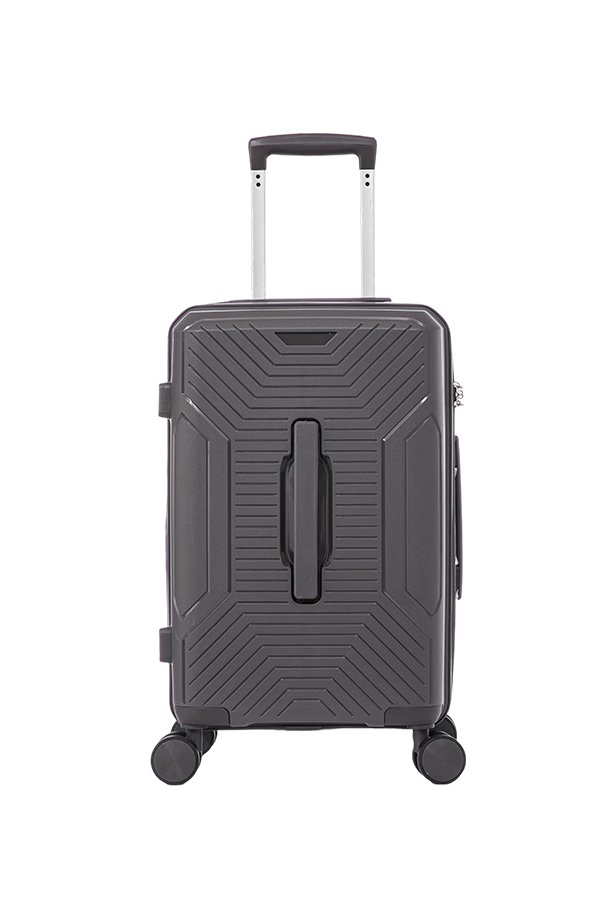

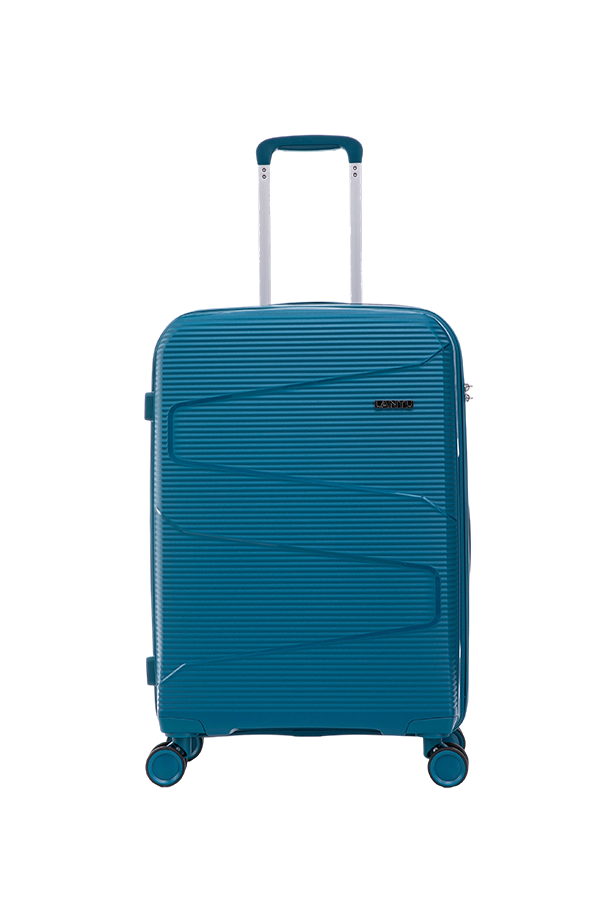
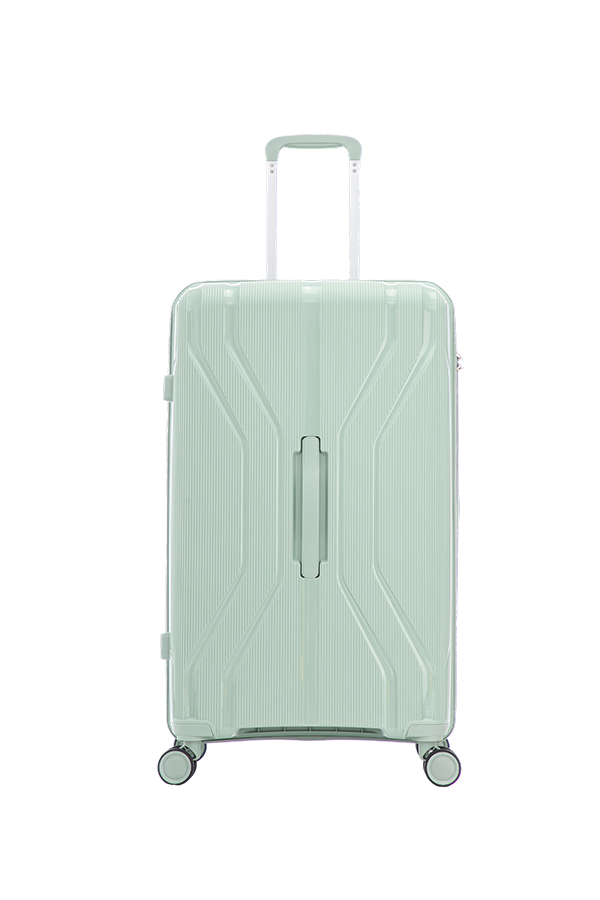
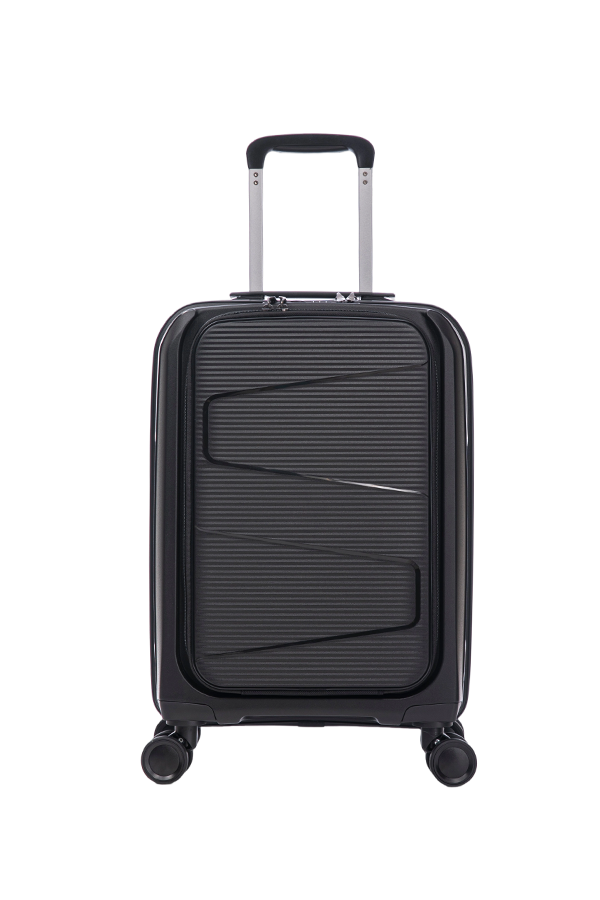
Why are PP Suitcase Sets Popular?
The popularity of PP suitcase sets in the travel goods market is not accidental but is rooted in a specific combination of material properties, practical design, and economic considerations. These sets cater to a broad range of travelers by offering a balanced solution that addresses common needs without excessive cost. The appeal of PP can be understood through a comparison with another common material, ABS.
|
Feature |
Polypropylene (PP) Suitcases |
ABS Suitcases |
|
Impact Resistance |
Exhibits high flexibility, allowing it to absorb impacts by bending and then returning to its original shape. This reduces the likelihood of cracking. |
Is a more rigid plastic, which can make it more prone to cracking or shattering under a sharp or heavy impact. |
|
Weight |
Inherently a lightweight material, contributing to a lower overall suitcase weight, which is advantageous for airline weight restrictions. |
Can also be lightweight, but often requires a coating or blend (like ABS+PC) for durability, which may add minimal weight. |
|
Surface Finish |
Typically has a more textured and matte finish, which is effective at hiding minor scuffs and scratches acquired during travel. |
Often has a glossy, high-gloss finish that tends to show scratches and scuff marks more readily. |
This comparison illustrates that PP suitcases are popular because they provide a resilient and lightweight option. Their flexibility is a key advantage for withstanding the rigors of baggage handling, while their light weight helps travelers avoid overweight baggage fees.
Are PP Hardshell Suitcases Suitable for Air Travel?
PP hardshell suitcases are generally considered suitable for air travel, as their design and material properties align well with the demands of modern air transport. Their suitability can be assessed from three primary aspects: durability, weight, and functionality.
Regarding durability, the inherent flexibility of polypropylene is a significant asset. Air travel involves considerable handling, where luggage can be subjected to impacts, stacking, and compression. Unlike more rigid materials that may crack, PP hardshells are likely to flex upon impact, absorbing the force and returning to their original form. This characteristic helps protect the contents of the suitcase and increases the luggage's operational lifespan, making it a durable choice for the airport environment.
The weight of luggage is a practical concern for air travelers due to strict airline weight limits. PP is a notably lightweight material. A lightweight empty suitcase allows a traveler to pack more of their belongings without incurring overweight baggage fees. This weight efficiency does not typically come at the expense of structural integrity, providing a balance that is highly functional for air travel where every kilogram counts.
The functionality of PP hardshell suitcases meets the requirements of air travel. They commonly feature integrated TSA-approved combination locks, which are a security standard for luggage entering the United States. Furthermore, the standard four or eight-wheel spinner systems offer 360-degree rotation, facilitating easy maneuverability through expansive and crowded airport terminals. The hard shell also provides a defined layer of security and protection from the elements compared to soft-sided bags. Therefore, from these perspectives, PP hardshell suitcases present a well-suited option for air travel.
Are Hardside Luggage Sets of Good Quality?
The quality of hardside luggage sets is not uniform across the market, but a well-constructed set can demonstrate good quality when evaluated from several key aspects. The assessment can be based on material construction, design features, and wheel and handle systems.
Regarding material construction, quality is determined by the type of plastic and its manufacturing. Sets made from polycarbonate or polypropylene composites often offer a favorable balance of strength and impact resistance. Polycarbonate is recognized for its ability to withstand significant impact without cracking, while polypropylene is valued for its flexible durability. The presence of a robust aluminum or magnesium frame around the perimeter can further enhance structural integrity. Lower-quality sets may use thin, brittle ABS plastic that is susceptible to damage, so the material choice is a primary indicator of overall quality.
From the perspective of design features, a quality hardside set includes well-considered functional elements. The zippers should be substantial, perhaps branded like YKK, and move smoothly without catching. The locking mechanism should be integrated and reliable, preferably a TSA-accepted lock for travel convenience. The interior should have durable linings, strong zippers on compartments, and effective compression straps to secure belongings. Attention to these details, including the quality of stitching on the interior fabric, reflects a higher standard of manufacture and contributes to the set's longevity and user experience.